

Are packaging mats resistant to static electricity buildup?
Aug 01, 2025
As a supplier of packaging mats, I've often been asked about the resistance of our products to static electricity buildup. This is a crucial question, especially in industries where static electricity can cause damage to sensitive electronic components, ignite flammable substances, or simply create an unpleasant user experience. In this blog post, I'll delve into the science behind static electricity, explore the factors that affect the static resistance of packaging mats, and discuss how our products are designed to meet the diverse needs of our customers.
Understanding Static Electricity
Static electricity is the result of an imbalance of electric charges within or on the surface of a material. When two materials come into contact and then separate, electrons can be transferred from one material to the other, leaving one material with a positive charge and the other with a negative charge. This charge imbalance can build up over time, leading to the accumulation of static electricity.
The buildup of static electricity can have several negative consequences. In the electronics industry, for example, static electricity can cause electrostatic discharge (ESD), which can damage sensitive electronic components and lead to product failures. In industries dealing with flammable substances, static electricity can ignite these substances, posing a serious safety hazard. Even in everyday applications, static electricity can cause discomfort, such as when clothes cling to the body or when a person receives a shock when touching a metal object.

Factors Affecting Static Resistance in Packaging Mats
Several factors can affect the static resistance of packaging mats. These include the material composition, surface properties, and environmental conditions.
Material Composition
The material used to make the packaging mat plays a significant role in its static resistance. Some materials, such as conductive polymers, carbon fibers, and metals, are inherently conductive and can dissipate static electricity quickly. Other materials, such as plastics and rubber, are insulators and can easily accumulate static electricity.
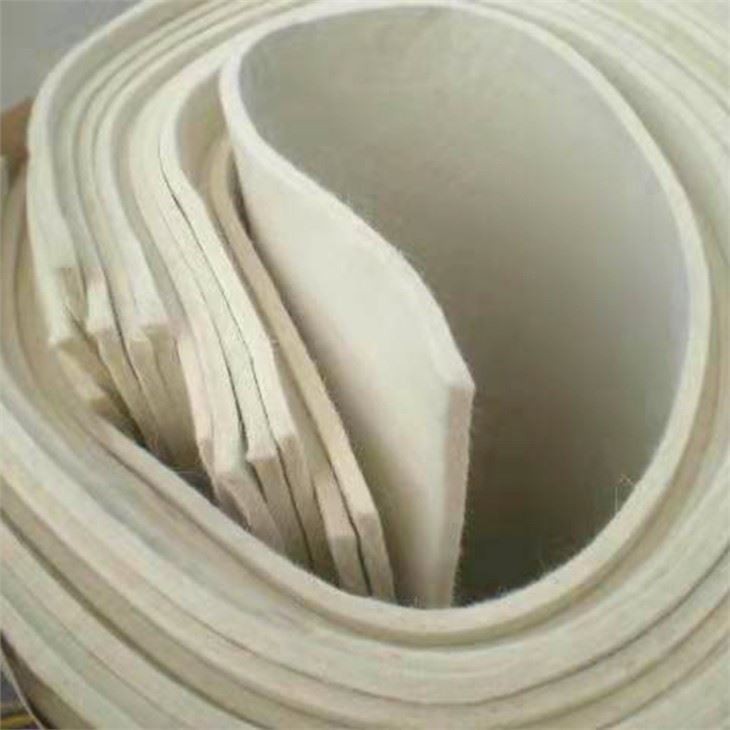
For example, our Bamboo Fiber Packaging Mat is made from natural bamboo fibers, which have some degree of conductivity. Bamboo fibers contain moisture and natural salts, which can help to conduct electricity and reduce static buildup. Our Wool Packing Pad is another option that offers good static resistance. Wool is a natural fiber that can absorb moisture from the air, which helps to dissipate static electricity. On the other hand, our Chemical Fiber Packing Pad is made from synthetic fibers, which are generally more insulating. However, we can treat these fibers with anti-static agents to improve their static resistance.
Surface Properties
The surface properties of the packaging mat can also affect its static resistance. A smooth surface is less likely to generate static electricity than a rough surface, as there is less friction between the surface and other materials. Additionally, the surface energy of the material can influence its ability to attract or repel charges. Materials with a low surface energy are less likely to accumulate static electricity.
We can modify the surface properties of our packaging mats through various manufacturing processes. For example, we can use a finishing treatment to make the surface smoother and reduce friction. We can also apply anti-static coatings to the surface of the mat to improve its static resistance.
Environmental Conditions
The environmental conditions, such as humidity and temperature, can have a significant impact on the static resistance of packaging mats. In general, higher humidity levels help to reduce static electricity buildup, as moisture in the air can conduct electricity and dissipate charges. Conversely, low humidity levels can increase the likelihood of static electricity buildup.
Temperature can also affect the conductivity of materials. As the temperature increases, the conductivity of some materials may increase, while the conductivity of others may decrease. We take these environmental factors into account when designing our packaging mats to ensure that they perform well under a wide range of conditions.
Our Solutions for Static Resistance
At our company, we understand the importance of static resistance in packaging mats. That's why we offer a range of products that are designed to meet the specific needs of our customers.
Conductive Packaging Mats
For applications where high static resistance is required, we offer conductive packaging mats. These mats are made from materials that have a high conductivity, such as conductive polymers or carbon fibers. Conductive mats can quickly dissipate static electricity, protecting sensitive electronic components from ESD damage.
Anti-Static Treated Mats
In addition to conductive mats, we also offer anti-static treated mats. These mats are made from materials that are normally insulating, but have been treated with anti-static agents to improve their static resistance. Anti-static treated mats are a cost-effective solution for applications where moderate static resistance is required.
Customized Solutions
We also provide customized solutions for customers with specific static resistance requirements. Our team of experts can work with you to understand your needs and develop a packaging mat that meets your exact specifications. Whether you need a mat with a specific conductivity level, surface finish, or size, we can help.
Contact Us for Your Packaging Mat Needs
If you're looking for packaging mats that offer excellent static resistance, look no further. Our company has the expertise and experience to provide you with the right solution for your application. Whether you're in the electronics industry, the automotive industry, or any other industry that requires static-resistant packaging, we can help.
Contact us today to discuss your packaging mat needs and to learn more about our products. We're committed to providing high-quality products and exceptional customer service. Let's work together to find the perfect packaging mat for your business.
References
- "Static Electricity: Causes and Effects." Physics Classroom.
- "Materials Science and Engineering: An Introduction." William D. Callister Jr. and David G. Rethwisch.
- "Handbook of Packaging Materials: Properties, Performance, and Selection." Kenneth S. Schmid.