

Can insulating felt be used in elevator shaft insulation?
Oct 20, 2025
Hey there! As an insulating felt supplier, I often get asked if insulating felt can be used in elevator shaft insulation. Well, let's dive right into this topic and explore the ins and outs of using insulating felt for elevator shafts.
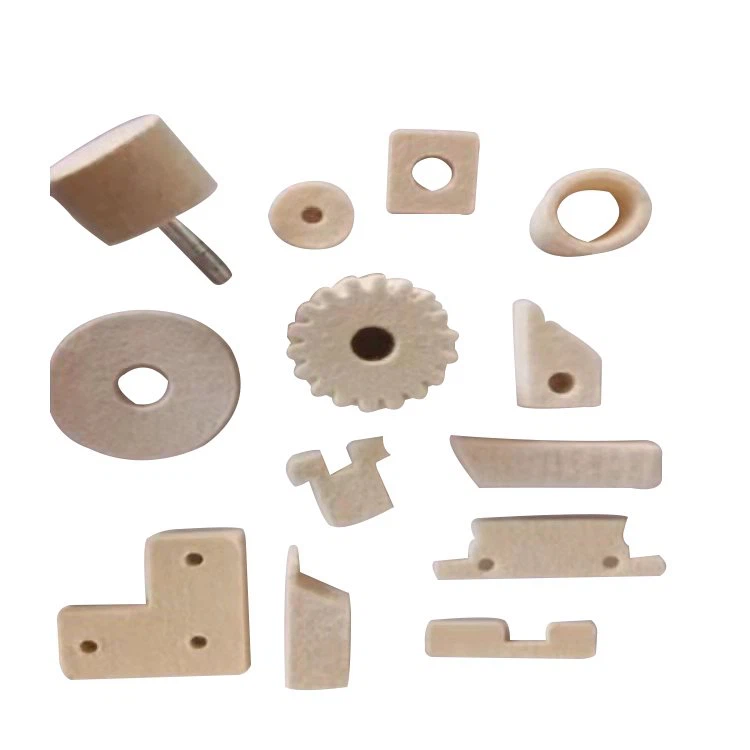
First off, what exactly is insulating felt? Insulating felt is a versatile material that comes in different types, like Insulated Mixed Felt, Pure Wool Industrial Felt, and Pure Wool Insulation Felt. These felts are made from various materials such as wool, synthetic fibers, or a mix of both. They have excellent insulating properties, which means they can help keep heat in or out, depending on your needs.
Now, let's talk about elevator shafts. Elevator shafts are unique spaces in a building. They need to be insulated for several reasons. One of the main reasons is to reduce noise. Elevators can be quite noisy, and the sound can travel up and down the shaft, disturbing people on different floors. Insulating the shaft can help dampen that noise and create a more peaceful environment inside the building.
Another reason for insulating elevator shafts is energy efficiency. In large buildings, the elevator shaft can act as a chimney, allowing hot or cold air to move freely between floors. This can lead to increased energy consumption as the building's heating or cooling systems have to work harder to maintain a comfortable temperature. By insulating the shaft, we can reduce this air movement and save on energy costs.
So, can insulating felt do the job? The answer is yes, in many cases. Insulating felt has some great features that make it suitable for elevator shaft insulation.
One of the key advantages of insulating felt is its sound - absorbing properties. The fibers in the felt trap sound waves, preventing them from bouncing around and spreading. This is especially important in elevator shafts where noise reduction is a top priority. For example, the Pure Wool Insulation Felt is known for its excellent sound - dampening capabilities. Wool fibers have a natural structure that can effectively absorb sound across a wide range of frequencies.
In terms of thermal insulation, insulating felt also performs well. It has a low thermal conductivity, which means it can slow down the transfer of heat. This helps in maintaining a more stable temperature inside the elevator shaft and reduces the energy needed to heat or cool the building. The Insulated Mixed Felt combines different materials to optimize both sound and thermal insulation properties.
Another benefit of using insulating felt is its flexibility. It can be easily cut and shaped to fit the contours of the elevator shaft. Whether it's a straight - walled shaft or one with some irregularities, the felt can be customized to provide a snug fit. This is important because a proper fit ensures maximum insulation effectiveness.
However, there are also some considerations when using insulating felt in elevator shafts. One of the main concerns is fire safety. Elevator shafts are considered high - risk areas in terms of fire, as they can act as a chimney for fire and smoke to spread quickly throughout the building. Therefore, the insulating felt used in elevator shafts must meet strict fire - safety standards.
Most of the insulating felts we supply, like the Pure Wool Industrial Felt, can be treated with fire - retardant chemicals to enhance their fire - safety properties. These treatments can significantly reduce the flammability of the felt and help prevent it from contributing to the spread of fire.
Moisture is another factor to consider. Elevator shafts can sometimes be exposed to moisture, for example, from leaks in the building's roof or plumbing. If the insulating felt gets wet, it can lose its insulating properties and may even start to grow mold. To address this issue, some insulating felts are treated with water - repellent coatings. These coatings help keep the felt dry and maintain its performance over time.
When it comes to installation, it's crucial to have a professional do the job. A professional installer will know how to properly install the insulating felt to ensure it provides the best possible insulation. They will also be aware of any local building codes and regulations regarding elevator shaft insulation.
In addition to the standard types of insulating felt, we also offer custom - made solutions. If you have a specific requirement for your elevator shaft, such as a unique size or shape, or if you need a felt with special properties, we can work with you to create a product that meets your exact needs.
We've had many customers who have used our insulating felt for elevator shaft insulation, and the feedback has been mostly positive. They've noticed a significant reduction in noise and an improvement in energy efficiency. For example, a large office building in the city installed our Insulated Mixed Felt in their elevator shafts. After the installation, the tenants reported a much quieter environment, and the building management saw a decrease in their energy bills.
If you're considering insulating your elevator shafts, I highly recommend giving insulating felt a try. It's a cost - effective and practical solution that can provide long - term benefits for your building.

If you're interested in learning more about our insulating felt products or have any questions about using them for elevator shaft insulation, don't hesitate to reach out. We're here to help you make the right choice for your project. Whether you need a small amount for a residential building or a large quantity for a commercial complex, we can supply you with high - quality insulating felt.
Contact us today to start a conversation about your elevator shaft insulation needs. We'll be happy to provide you with more information, samples, and a quote. Let's work together to make your building more comfortable, energy - efficient, and quiet.
References:
- Building Insulation Handbook: A comprehensive guide on various insulation materials and their applications in buildings.
- Noise Control in Buildings: Research on effective methods to reduce noise in different building spaces, including elevator shafts.
- Fire Safety Standards for Building Insulation: Regulations and guidelines regarding the use of insulation materials in high - risk areas like elevator shafts.