

Can packaging mats be used for cosmetic product packaging?
Sep 24, 2025
In the world of cosmetics, packaging is not merely a vessel but a crucial element that enhances the product's appeal, protects its integrity, and communicates brand values. As a dedicated Packaging Mat supplier, I've often been asked, "Can packaging mats be used for cosmetic product packaging?" This blog aims to explore this question in depth, shedding light on the potential of packaging mats in the cosmetic industry.
The Role of Packaging in the Cosmetic Industry
Cosmetic products are not just about functionality; they are also about aesthetics and the overall consumer experience. Packaging plays a pivotal role in attracting consumers, protecting the product from damage, and ensuring its quality during storage and transportation. A well-designed package can differentiate a brand from its competitors and create a lasting impression on consumers.
Characteristics of Ideal Cosmetic Packaging
Before delving into the suitability of packaging mats for cosmetic product packaging, it's essential to understand the characteristics of ideal cosmetic packaging. These include:
- Protection: Cosmetic products are often delicate and sensitive to environmental factors such as light, air, and moisture. Packaging should provide adequate protection to prevent damage, contamination, and spoilage.
- Aesthetics: The packaging should be visually appealing and reflect the brand's identity and values. It should attract consumers and create a positive first impression.
- Functionality: Packaging should be easy to use, open, and close. It should also be convenient for consumers to carry and store the product.
- Sustainability: With increasing consumer awareness of environmental issues, sustainable packaging has become a significant concern in the cosmetic industry. Packaging should be made from eco-friendly materials and be recyclable or biodegradable.
Advantages of Using Packaging Mats for Cosmetic Product Packaging
Packaging mats offer several advantages that make them suitable for cosmetic product packaging:
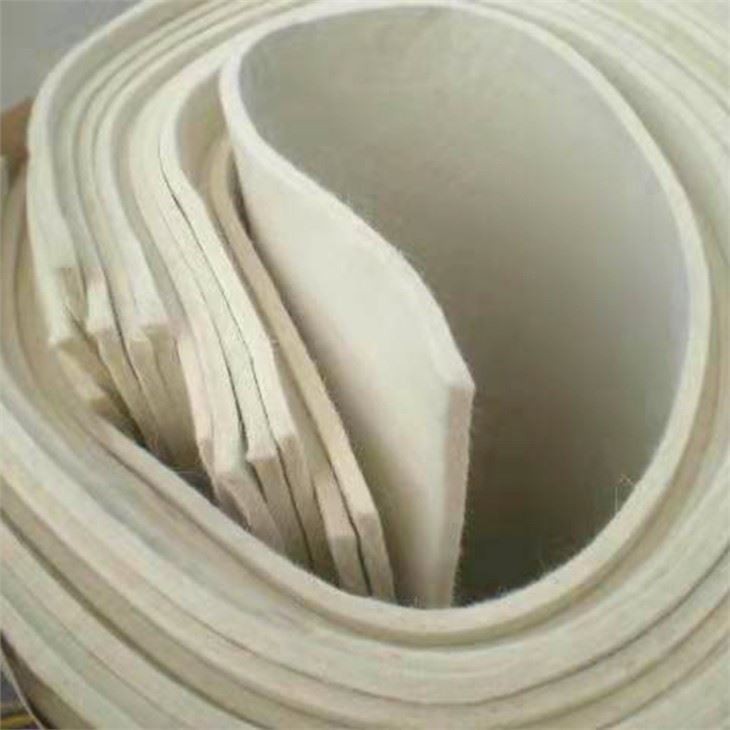

- Protection: Packaging mats can provide excellent cushioning and shock absorption, protecting cosmetic products from damage during transportation and handling. They can also prevent scratches and abrasions on the product's surface.
- Aesthetics: Packaging mats come in a variety of colors, textures, and patterns, allowing cosmetic brands to create unique and visually appealing packaging. They can be customized to match the brand's logo, colors, and design, enhancing the overall aesthetic appeal of the product.
- Functionality: Packaging mats can be easily cut and shaped to fit the specific requirements of cosmetic products. They can be used as inserts, dividers, or liners to keep the product in place and prevent it from moving around during transportation.
- Sustainability: Many packaging mats are made from natural or recycled materials, such as bamboo fiber, wool, or chemical fiber. These materials are eco-friendly and sustainable, making them an ideal choice for cosmetic brands that are committed to environmental responsibility.
Types of Packaging Mats Suitable for Cosmetic Product Packaging
As a Packaging Mat supplier, I offer a range of packaging mats that are suitable for cosmetic product packaging. These include:
- Chemical Fiber Packing Pad: Chemical fiber packing pads are made from synthetic fibers, such as polyester or nylon. They are lightweight, durable, and have excellent cushioning properties. Chemical fiber packing pads are also resistant to moisture, mold, and mildew, making them suitable for use in humid environments. You can learn more about Chemical Fiber Packing Pad here.
- Bamboo Fiber Packaging Mat: Bamboo fiber packaging mats are made from natural bamboo fibers. They are eco-friendly, sustainable, and have excellent antibacterial and antifungal properties. Bamboo fiber packaging mats are also soft and comfortable to touch, making them suitable for use in cosmetic packaging. You can learn more about Bamboo Fiber Packaging Mat here.
- Wool Packing Pad: Wool packing pads are made from natural wool fibers. They are soft, warm, and have excellent insulation properties. Wool packing pads are also hypoallergenic and resistant to dust mites, making them suitable for use in cosmetic packaging. You can learn more about Wool Packing Pad here.
Considerations When Using Packaging Mats for Cosmetic Product Packaging
While packaging mats offer several advantages for cosmetic product packaging, there are also some considerations to keep in mind:
- Compatibility: It's essential to ensure that the packaging mat is compatible with the cosmetic product. Some packaging mats may contain chemicals or substances that could react with the product and affect its quality.
- Regulatory Compliance: Cosmetic packaging is subject to various regulations and standards, such as those related to safety, labeling, and environmental protection. It's important to ensure that the packaging mat complies with these regulations and standards.
- Cost: The cost of packaging mats can vary depending on the material, size, and quantity. It's important to consider the cost of the packaging mat in relation to the overall cost of the product and the budget of the cosmetic brand.
Conclusion
In conclusion, packaging mats can be a valuable addition to cosmetic product packaging. They offer several advantages, including protection, aesthetics, functionality, and sustainability. As a Packaging Mat supplier, I am committed to providing high-quality packaging mats that meet the specific requirements of cosmetic brands. If you are interested in using packaging mats for your cosmetic product packaging, I encourage you to contact me to discuss your needs and explore the possibilities.
References
- [1] Cosmetics Packaging: Design, Function, and Sustainability. Edited by Maria Teresa Rodriguez-Gonzalez and Miguel Angel Lopez-Rubio.
- [2] Sustainable Packaging in the Cosmetics Industry: Trends and Challenges. By Anna Maria Coclite and colleagues.
- [3] The Role of Packaging in the Cosmetics Industry: A Review. By Maria Teresa Rodriguez-Gonzalez and colleagues.