

Can Sealed Mixed Felt be cut easily?
Nov 17, 2025
As a supplier of Sealed Mixed Felt, I often encounter inquiries from customers about its cutability. This blog post aims to provide a comprehensive analysis of whether Sealed Mixed Felt can be cut easily, exploring the factors that influence its cutability and offering practical tips for cutting this material.
Understanding Sealed Mixed Felt
Sealed Mixed Felt is a versatile material widely used in various industrial applications, including [mention some common applications]. It is composed of a blend of fibers, which can include wool, synthetic fibers, or a combination of both. The sealing process enhances its durability, resistance to wear and tear, and its ability to provide effective sealing solutions.
Factors Affecting the Cutability of Sealed Mixed Felt
Fiber Composition
The type of fibers used in Sealed Mixed Felt significantly impacts its cutability. Wool fibers, for instance, are relatively soft and flexible, making them easier to cut compared to some synthetic fibers. Synthetic fibers, on the other hand, can vary in hardness and stiffness. Some synthetic fibers may be very tough and resistant to cutting, while others may be more pliable. When the felt is a mixture of different fibers, the overall cutability depends on the proportion and characteristics of each fiber type. For example, a Sealed Mixed Felt with a higher percentage of soft wool fibers will generally be easier to cut than one dominated by hard synthetic fibers.
Density
The density of Sealed Mixed Felt is another crucial factor. Higher density felt is more compact, with fibers packed closely together. This makes it more challenging to cut as the cutting tool has to work through a greater volume of material. In contrast, lower density felt has more space between the fibers, allowing the cutting tool to penetrate more easily. When choosing a Sealed Mixed Felt for a project that requires cutting, it's important to consider the density based on the available cutting tools and the desired precision of the cut.
Thickness
Thicker Sealed Mixed Felt naturally presents more resistance to cutting than thinner ones. As the thickness increases, the cutting tool has to travel through a greater distance of material, which can lead to more wear on the tool and require more force to make the cut. Additionally, maintaining a straight and accurate cut becomes more difficult with thicker felt. Therefore, when working with thick Sealed Mixed Felt, it may be necessary to use more powerful cutting tools or employ multiple passes to achieve the desired cut.
Sealing Treatment
The sealing process used on the felt can also affect its cutability. Some sealing treatments may harden the surface of the felt, making it more difficult to cut. However, a well - executed sealing treatment can also prevent the fibers from fraying during cutting, which can be beneficial for achieving clean cuts. It's important to understand the specific type of sealing treatment applied to the Sealed Mixed Felt and how it may impact the cutting process.
Tools for Cutting Sealed Mixed Felt
Scissors
Scissors are a common and inexpensive tool for cutting Sealed Mixed Felt, especially for small - scale projects or when cutting thinner felts. Sharp, heavy - duty scissors are recommended to ensure a clean cut. However, scissors may not be suitable for cutting thick or high - density felts, as they require significant hand strength and may not provide the precision needed for complex shapes.
Utility Knives
Utility knives are versatile and can be used for cutting Sealed Mixed Felt of various thicknesses. They offer more control than scissors, especially when cutting long, straight lines or intricate shapes. A sharp blade is essential for clean cuts, and it's important to replace the blade regularly to maintain cutting efficiency. Utility knives can be used with a straight edge for precise, straight cuts.
Rotary Cutters
Rotary cutters are ideal for cutting large sheets of Sealed Mixed Felt. They use a circular blade that rotates as it cuts, providing a smooth and efficient cutting action. Rotary cutters are especially useful for cutting long, continuous lines and can be used in conjunction with a cutting mat to protect the work surface. However, they may not be as effective for cutting very thick or hard felts.
Laser Cutters
Laser cutters are the most precise and efficient tool for cutting Sealed Mixed Felt, especially for complex shapes and high - volume production. They use a high - powered laser beam to melt and vaporize the material, resulting in clean, precise cuts with minimal fraying. Laser cutters can be programmed to cut specific shapes and sizes, making them suitable for industrial applications. However, they are expensive to purchase and operate, and may not be accessible for small - scale projects.
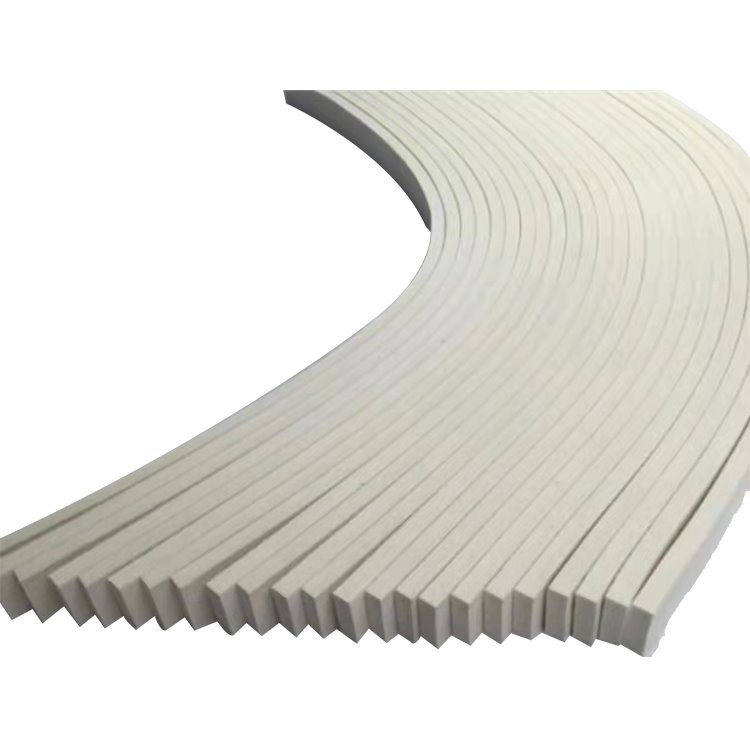

Tips for Cutting Sealed Mixed Felt
Prepare the Work Surface
A flat and stable work surface is essential for cutting Sealed Mixed Felt. A cutting mat can protect the work surface and provide a smooth surface for cutting. It also helps to prevent the felt from slipping during the cutting process, ensuring more accurate cuts.
Mark the Cutting Line
Before cutting, mark the desired cutting line on the felt using a fabric marker or a piece of chalk. This will help to guide the cutting tool and ensure that the cut is straight and accurate. For complex shapes, it may be helpful to use a template or a pattern.
Use the Right Pressure
When using scissors or a utility knife, apply the right amount of pressure. Too much pressure can cause the felt to bunch up or the cutting tool to damage the felt, while too little pressure may result in an incomplete cut. Experiment with different pressures to find the optimal setting for the specific type of Sealed Mixed Felt and cutting tool being used.
Cut Slowly and Steadily
Cutting slowly and steadily is important for achieving clean, accurate cuts. Rushing the cutting process can lead to uneven cuts, fraying, or damage to the felt. Take your time and follow the marked cutting line carefully.
Conclusion
In conclusion, whether Sealed Mixed Felt can be cut easily depends on several factors, including fiber composition, density, thickness, and sealing treatment. With the right tools and techniques, it is possible to cut Sealed Mixed Felt effectively for a variety of applications.
If you are in need of Sealed Mixed Felt for your project, we are a reliable supplier offering high - quality Sealed Mixed Felt. We also provide other related products such as Sealing Pad Wool Felt and Chemical Fiber Seal Belt Felt. If you have any questions about our products or need assistance with cutting and using Sealed Mixed Felt, please feel free to contact us for further discussions and potential procurement opportunities.
References
- "Industrial Felt Handbook", published by [Publisher Name 1]
- "Fiber Materials and Their Applications in Sealing", an article from [Journal Name 1]