

Can Sealing Pad Felt be used in high - pressure environments?
Sep 12, 2025
As a supplier of sealing pad felt, I often encounter inquiries from customers regarding the suitability of our products in high - pressure environments. This is a crucial question, as the performance of sealing materials under high pressure can significantly impact the safety and efficiency of industrial operations. In this blog, I will delve into the properties of sealing pad felt and analyze whether it can be effectively used in high - pressure settings.
Understanding Sealing Pad Felt
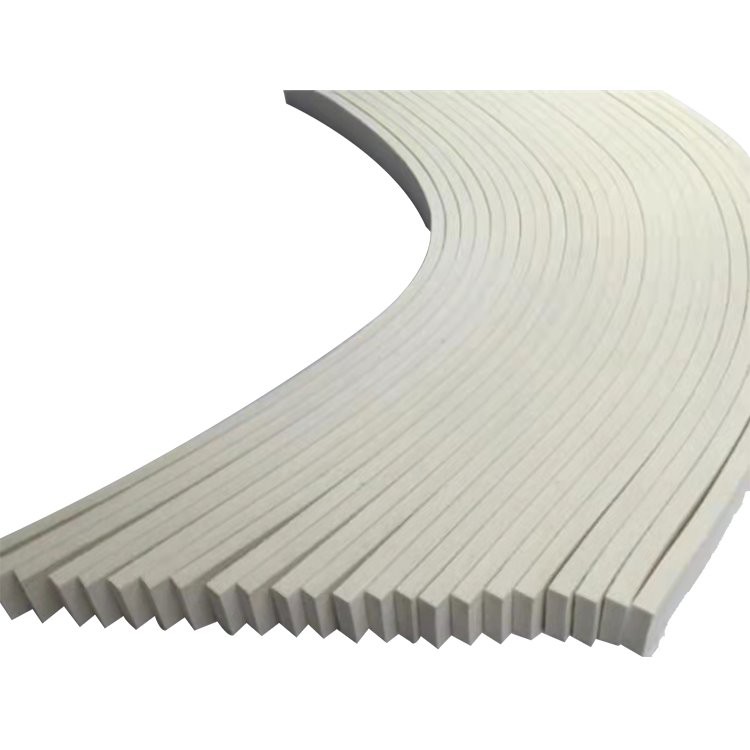
Sealing pad felt is a versatile material used in various industries for sealing purposes. It is typically made from natural fibers such as wool or synthetic fibers like polyester. The manufacturing process involves compressing and interlocking the fibers to create a dense and resilient material. There are different types of sealing pad felt available, including Chemical Fiber Seal Belt Felt, Sealing Pad Wool Felt, and Sealed Mixed Felt. Each type has its own unique characteristics and is suitable for different applications.
Key Properties of Sealing Pad Felt
- Compressibility: One of the most important properties of sealing pad felt is its compressibility. When a force is applied, the felt can be compressed to fill gaps and irregularities between surfaces. This allows it to create a tight seal, preventing the leakage of fluids or gases. In high - pressure environments, the ability to compress and conform to the shape of the sealing surfaces is crucial for maintaining an effective seal.
- Resilience: Resilience refers to the ability of the felt to return to its original shape after the applied force is removed. A highly resilient felt can withstand repeated compression and decompression cycles without losing its sealing properties. This is particularly important in high - pressure systems where the pressure may fluctuate over time.
- Porosity: The porosity of sealing pad felt affects its ability to prevent the passage of fluids. A low - porosity felt will have fewer gaps between the fibers, making it more effective at sealing. However, some degree of porosity may be desirable in certain applications to allow for the release of trapped air or moisture.
- Chemical Resistance: In many high - pressure applications, the sealing pad felt may come into contact with various chemicals. Therefore, it is important for the felt to have good chemical resistance to prevent degradation and maintain its sealing performance over time.
Factors Affecting the Performance of Sealing Pad Felt in High - Pressure Environments
- Pressure Level: The first and most obvious factor is the actual pressure in the environment. Different types of sealing pad felt have different pressure ratings. For example, a high - density wool felt may be able to withstand higher pressures compared to a low - density synthetic felt. As the pressure increases, the felt needs to be able to maintain its shape and sealing integrity.
- Temperature: High - pressure environments are often accompanied by high temperatures. Temperature can have a significant impact on the properties of sealing pad felt. For instance, at high temperatures, the felt may become more brittle or lose its compressibility. Therefore, it is essential to choose a felt material that has good thermal stability.
- Fluid or Gas Type: The nature of the fluid or gas being sealed also plays a role. Some fluids, such as corrosive chemicals or high - viscosity oils, can pose challenges to the sealing performance of the felt. The felt must be resistant to the specific fluid or gas to ensure long - term sealing effectiveness.
- Surface Finish: The surface finish of the mating surfaces can affect the sealing performance of the felt. Rough or uneven surfaces may require a more compressible felt to achieve a proper seal. Additionally, the surface finish can influence the friction between the felt and the surfaces, which can impact the durability of the seal.
Can Sealing Pad Felt be Used in High - Pressure Environments?
The answer is that it depends. In some low - to medium - high - pressure applications, sealing pad felt can be a suitable choice. For example, in certain hydraulic systems with pressures up to a few hundred psi, a well - selected sealing pad felt can provide an effective seal. The compressibility and resilience of the felt allow it to adapt to the pressure and maintain a tight fit between the components.
However, in extremely high - pressure environments, such as those found in deep - sea oil drilling or high - pressure gas pipelines, sealing pad felt may not be the best option on its own. The high pressures can cause the felt to be compressed beyond its elastic limit, leading to permanent deformation and loss of sealing performance. In such cases, the felt may need to be used in combination with other sealing materials, such as rubber o - rings or metal gaskets, to enhance the overall sealing effectiveness.

Case Studies
- Automotive Industry: In automotive engines, sealing pad felt is often used in valve covers and oil pans. These components are subject to moderate pressures and temperatures. The felt provides a reliable seal to prevent oil leakage. The compressibility of the felt allows it to conform to the shape of the engine components, and its resilience ensures that the seal is maintained over time.
- Industrial Hydraulic Systems: In some industrial hydraulic systems, sealing pad felt can be used as a secondary seal. The primary seal may be a rubber seal, and the felt helps to enhance the sealing performance by filling any small gaps and providing additional protection against fluid leakage. However, in high - pressure hydraulic systems with pressures exceeding 1000 psi, more robust sealing solutions may be required.
Advantages of Using Sealing Pad Felt in High - Pressure Applications
- Cost - Effective: Sealing pad felt is generally more cost - effective compared to some other high - performance sealing materials. This makes it an attractive option for applications where cost is a significant factor.
- Easy to Install: Felt seals are relatively easy to install compared to complex sealing systems. Their flexibility allows them to be cut and shaped to fit different sealing surfaces, reducing installation time and labor costs.
- Good Vibration Damping: Sealing pad felt can help to dampen vibrations in high - pressure systems. This can be beneficial in preventing damage to the components and reducing noise levels.
Limitations of Using Sealing Pad Felt in High - Pressure Environments
- Limited Pressure Resistance: As mentioned earlier, sealing pad felt has limitations in terms of its pressure - bearing capacity. In extremely high - pressure applications, it may not be able to maintain its sealing performance over an extended period.
- Temperature Sensitivity: The performance of sealing pad felt can be affected by high temperatures. In high - pressure systems where temperatures are also high, the felt may need to be carefully selected or protected to ensure its durability.
Conclusion
In conclusion, sealing pad felt can be used in high - pressure environments, but its suitability depends on various factors such as the pressure level, temperature, fluid or gas type, and surface finish. In low - to medium - high - pressure applications, it can offer a cost - effective and reliable sealing solution. However, in extremely high - pressure situations, it may need to be used in combination with other sealing materials.
If you are considering using sealing pad felt in your high - pressure application, I encourage you to contact us for more information. Our team of experts can help you select the most suitable type of felt based on your specific requirements. We are committed to providing high - quality sealing solutions and look forward to discussing your project with you.
References
- "Handbook of Industrial Seals," John Wiley & Sons, Inc.
- "Sealing Technology for High - Pressure Systems," ASME Press.
- "Materials Science and Engineering: An Introduction," William D. Callister, Jr.