

Can Sealing Pad Felt be used in industrial machinery?
Aug 20, 2025
Hey there! As a supplier of Sealing Pad Felt, I often get asked if this nifty material can be used in industrial machinery. Well, let's dive right in and explore this topic.
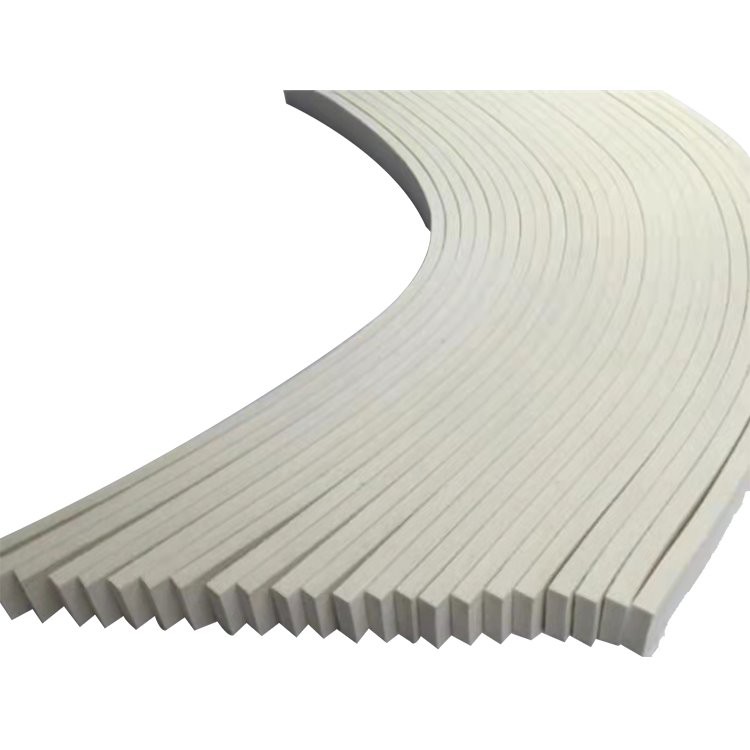
First off, what exactly is Sealing Pad Felt? It's a type of felt that's designed to create a tight seal in various applications. There are different kinds out there, like Sealing Pad Wool Felt, Chemical Fiber Seal Belt Felt, and Sealed Mixed Felt. Each has its own unique properties that make it suitable for different scenarios.
So, can it be used in industrial machinery? The answer is a resounding yes! Industrial machinery often requires effective sealing to prevent leaks, protect components from dust and debris, and maintain optimal performance. Sealing Pad Felt is up to the task for several reasons.
One of the key advantages of Sealing Pad Felt is its flexibility. It can conform to irregular surfaces, which is crucial in industrial settings where machinery parts may not have perfectly smooth or flat surfaces. This flexibility allows it to create a tight seal, even in challenging environments. For example, in a hydraulic system, Sealing Pad Felt can be used to seal the gaps between cylinders and pistons, preventing hydraulic fluid from leaking out. This not only ensures the proper functioning of the system but also reduces the risk of damage to other components due to fluid leakage.
Another great thing about Sealing Pad Felt is its durability. Industrial machinery operates under harsh conditions, including high temperatures, pressure, and friction. Sealing Pad Felt is made from high - quality materials that can withstand these conditions. Wool - based felt, for instance, has natural heat - resistant and abrasion - resistant properties. This means that it can last a long time in industrial applications, reducing the need for frequent replacements. In a manufacturing plant where machinery runs continuously, using Sealing Pad Felt can save both time and money in the long run.
It also has good chemical resistance. Many industrial processes involve the use of chemicals, and the sealing material needs to be able to withstand exposure to these substances without deteriorating. Sealing Pad Felt, especially the chemical fiber and mixed - felt varieties, can resist a wide range of chemicals, making it suitable for use in chemical processing plants, refineries, and other industries where chemical exposure is common.
In addition to its physical properties, Sealing Pad Felt is relatively easy to install. You don't need to be a highly skilled technician to cut and fit it into the appropriate areas of the machinery. This ease of installation means that maintenance teams can quickly replace or install new sealing pads, minimizing downtime in the production process.
Let's take a look at some specific industrial applications where Sealing Pad Felt shines. In the automotive industry, it can be used in engines, transmissions, and braking systems. In engines, it seals the gaps between engine blocks and cylinder heads, preventing oil and coolant leaks. In transmissions, it helps to maintain the proper pressure and prevent fluid leakage, ensuring smooth gear shifts. In braking systems, it can be used to seal the master cylinder and wheel cylinders, preventing brake fluid from leaking and maintaining the effectiveness of the brakes.
In the aerospace industry, Sealing Pad Felt is used in aircraft engines and hydraulic systems. The high - performance requirements of aerospace applications demand a sealing material that can operate under extreme conditions, and Sealing Pad Felt fits the bill. It can withstand the high temperatures and pressures generated by aircraft engines and prevent the leakage of fuel, oil, and hydraulic fluids.

In the food and beverage industry, Sealing Pad Felt is also a popular choice. It can be used in packaging machinery to seal containers and prevent contamination. Since it can be made from food - grade materials, it meets the strict hygiene standards required in this industry.
However, it's important to choose the right type of Sealing Pad Felt for the specific application. Different industrial processes have different requirements in terms of temperature, pressure, chemical exposure, and sealing performance. For example, if you're dealing with high - temperature applications, you might want to choose a felt with high - heat resistance, like a ceramic - fiber - reinforced felt. If chemical resistance is your main concern, then a chemical - fiber - based felt would be a better option.
As a supplier, I've seen firsthand how Sealing Pad Felt can improve the performance and reliability of industrial machinery. I've worked with many customers in various industries, and they've all been satisfied with the results. Whether it's a small - scale workshop or a large - scale manufacturing plant, Sealing Pad Felt has proven to be a valuable addition to their machinery.
If you're in the industrial machinery business and are looking for an effective sealing solution, I encourage you to consider Sealing Pad Felt. We offer a wide range of Sealing Pad Felt products, including Sealing Pad Wool Felt, Chemical Fiber Seal Belt Felt, and Sealed Mixed Felt. Our team of experts can help you choose the right product for your specific needs. We're always ready to have a chat about your requirements and provide you with the best sealing solutions. So, don't hesitate to reach out and start a conversation about how Sealing Pad Felt can benefit your industrial machinery.
In conclusion, Sealing Pad Felt is a versatile and reliable sealing solution for industrial machinery. Its flexibility, durability, chemical resistance, and ease of installation make it an ideal choice for a wide range of industrial applications. If you want to improve the performance and longevity of your industrial machinery, consider using Sealing Pad Felt.
References
- Industrial Sealing Handbook: A comprehensive guide to sealing materials and applications in industrial settings.
- Textile Materials in Engineering: A study on the use of textile - based materials, including felt, in engineering applications.