

Can wool oil feed felt be used in vacuum systems?
May 14, 2025
As a supplier of Wool Oil Feed Felt, I often receive inquiries from customers about the suitability of our products in various industrial applications, especially in vacuum systems. This blog post aims to explore whether Wool Oil Feed Felt can be used in vacuum systems, considering its properties, advantages, and potential limitations.
Properties of Wool Oil Feed Felt
Wool Oil Feed Felt is a specialized type of felt made from high - quality wool fibers. It has several unique properties that make it a popular choice in many industrial settings.
Absorbency
One of the most notable features of Wool Oil Feed Felt is its excellent absorbency. The natural structure of wool fibers allows the felt to absorb and hold a significant amount of oil. This property is crucial in applications where oil needs to be stored and gradually released, such as lubrication systems.
Flexibility
Wool Oil Feed Felt is highly flexible, which enables it to conform to different shapes and sizes. This flexibility makes it easy to install in various machinery and equipment, including those with complex geometries.
Durability
Wool fibers are known for their strength and durability. Wool Oil Feed Felt can withstand wear and tear, as well as exposure to different environmental conditions. This durability ensures a long service life, reducing the need for frequent replacements.
Vacuum Systems: An Overview
Vacuum systems are used in a wide range of industries, including semiconductor manufacturing, food packaging, and aerospace. These systems operate by creating a low - pressure environment, which can be used for tasks such as material handling, filtration, and degassing.
Requirements for Materials in Vacuum Systems
Materials used in vacuum systems must meet certain requirements. They should have low outgassing rates, meaning they should not release significant amounts of gas or vapor when exposed to a vacuum. High outgassing can contaminate the vacuum environment, affect the performance of the system, and cause damage to sensitive components. Additionally, materials should be chemically stable and compatible with other components in the system.
Can Wool Oil Feed Felt Be Used in Vacuum Systems?
Advantages
- Lubrication: In some vacuum systems, moving parts require lubrication to reduce friction and wear. Wool Oil Feed Felt can be used to store and deliver lubricating oil to these parts. Its absorbency allows it to hold a sufficient amount of oil, and the slow release of oil can ensure continuous lubrication.
- Filtration: The fibrous structure of Wool Oil Feed Felt can act as a filter. It can trap particles and debris in the vacuum system, preventing them from circulating and causing damage to components.
Potential Limitations
- Outgassing: Wool contains moisture and other volatile substances. When exposed to a vacuum, these substances can outgas, which may contaminate the vacuum environment. However, proper pre - treatment of the Wool Oil Feed Felt, such as drying and degassing processes, can significantly reduce the outgassing rate.
- Chemical Compatibility: Some oils used in Wool Oil Feed Felt may not be compatible with certain materials in the vacuum system. For example, some oils may react with metals or polymers, causing corrosion or degradation. It is essential to carefully select the oil and ensure its compatibility with all components in the system.
Comparison with Other Felt Types
Chemical Fiber Suction Oil Felt
Chemical Fiber Suction Oil Felt is another type of felt commonly used in industrial applications. Compared to Wool Oil Feed Felt, chemical fiber felt may have lower outgassing rates due to its synthetic nature. However, it may not have the same level of flexibility and natural absorbency as wool felt.
Oil - absorbing Mixed Felt
Oil - absorbing Mixed Felt combines different types of fibers to achieve a balance between absorbency, durability, and other properties. While it may offer some advantages over pure wool felt, the specific performance depends on the composition of the mixed fibers.
Pre - treatment and Installation
If you decide to use Wool Oil Feed Felt in a vacuum system, proper pre - treatment is crucial. The felt should be thoroughly dried to remove moisture, and degassed to reduce outgassing. This can be achieved through processes such as heating in a vacuum oven.

During installation, it is important to ensure that the felt is properly positioned and secured. Any loose or misaligned felt can cause problems in the system, such as uneven oil distribution or the release of debris.
Conclusion
In conclusion, Wool Oil Feed Felt can be used in vacuum systems, but careful consideration must be given to its properties and potential limitations. With proper pre - treatment and installation, it can offer benefits such as lubrication and filtration. However, users need to be aware of the outgassing issue and ensure chemical compatibility with other components in the system.
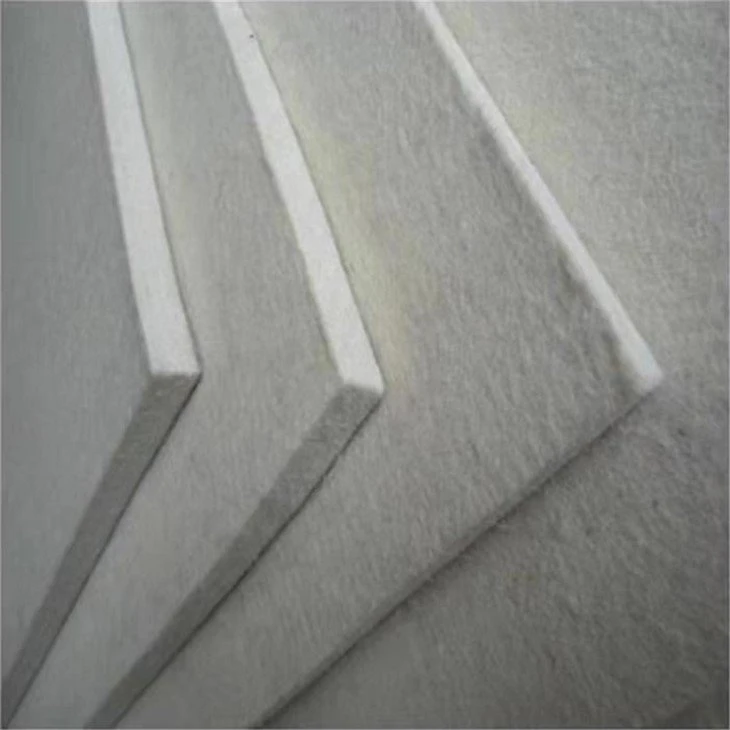
If you are interested in using Wool Oil Feed Felt in your vacuum system or have any other questions about our products, please feel free to contact us for more information and to discuss your specific requirements. We are always ready to provide professional advice and high - quality products to meet your needs.
References
- "Handbook of Vacuum Technology" by O'Hanlon, J. F.
- "Industrial Felt Applications" by various industry research reports.