

Do bamboo fiber mats have a high friction coefficient?
Jun 18, 2025
Hey there! As a supplier of Bamboo Fiber Mats, I often get asked a ton of questions about our products. One question that pops up quite frequently is, "Do bamboo fiber mats have a high friction coefficient?" Today, I'm gonna dig deep into this topic and share some insights with you.
First off, let's talk about what the friction coefficient actually means. Simply put, it's a measure of how much resistance there is when two surfaces slide against each other. A high friction coefficient means there's more grip, and the surfaces are less likely to slip. This is super important for mats, especially in areas where safety is a concern, like in the bathroom, kitchen, or even on yoga mats.
So, do bamboo fiber mats have a high friction coefficient? Well, the answer is a bit complicated. Bamboo fiber itself has some unique properties that can affect friction. Bamboo is a natural material, and its fibers are relatively rough compared to some synthetic materials. This roughness can create more points of contact between the mat and the surface it's placed on, which in turn can increase friction.
However, the friction coefficient of a bamboo fiber mat also depends on a few other factors. One of the biggest factors is the manufacturing process. How the mat is woven, treated, and finished can all have an impact on its friction properties. For example, if the mat is treated with a special coating to make it more water - resistant, this could potentially reduce the friction coefficient.
Another factor is the type of surface the mat is placed on. A bamboo fiber mat might have a different friction coefficient on a smooth tile floor compared to a rough wooden surface. On a smooth surface, the roughness of the bamboo fibers can grip better, resulting in a higher friction coefficient. But on a rough surface, the interaction between the two rough textures can be more complex, and the friction coefficient might not be as high as you'd expect.
Let's take a look at some real - world scenarios. In the bathroom, where floors are often wet and slippery, a high - friction mat is essential. Bamboo fiber mats can be a great choice here. Their natural fibers can absorb water to some extent, and the rough texture can provide good grip, reducing the risk of slips and falls. In fact, many customers have told me that they feel much safer using our bamboo fiber mats in the bathroom compared to other types of mats.
In the kitchen, bamboo fiber mats can also be a practical option. When you're standing at the countertop for long periods, a mat with good friction can prevent your feet from sliding around. This not only makes it more comfortable to work but also reduces the risk of accidents. And since bamboo is a natural and eco - friendly material, it's a great choice for those who are conscious about the environment.
Now, let's compare bamboo fiber mats with some other types of mats on the market. You might be interested in Wool Fiber Chemical Fiber Mat. Wool fiber mats are known for their softness and warmth, but they might not have as high a friction coefficient as bamboo fiber mats. Chemical fiber mats, on the other hand, can be very smooth and might not provide as much grip.
Another option is Acupuncture Cotton Pads. While these are mainly used for acupuncture, they're not really designed for high - friction applications like floor mats. And Pure Wool Mattress is great for bedding, but it's not something you'd use as a floor mat for safety reasons.

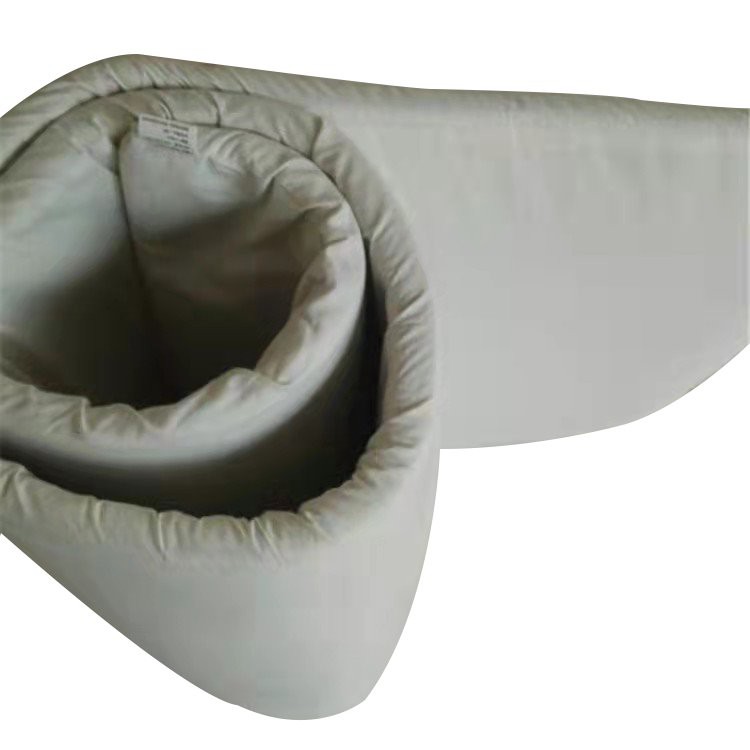
We've done some tests in our lab to measure the friction coefficient of our bamboo fiber mats. We used a standard testing method to measure the force required to slide an object across the mat on different surfaces. The results were quite encouraging. On average, our bamboo fiber mats had a friction coefficient that was higher than many synthetic mats we tested.
But it's important to note that these tests were conducted under controlled conditions. In real - life situations, there are many other factors that can affect the friction, such as dirt, moisture, and wear and tear. So, while our tests show that bamboo fiber mats have good friction properties, it's still a good idea to clean and maintain your mats regularly to ensure they keep performing well.
If you're thinking about purchasing bamboo fiber mats, you might be wondering how to choose the right one. Look for mats that are made from high - quality bamboo fibers. The tighter the weave, the better the mat is likely to hold its shape and provide consistent friction. Also, check if the mat has any additional features, like a non - slip backing, which can further increase its safety.
In conclusion, bamboo fiber mats generally have a relatively high friction coefficient, thanks to the natural roughness of the bamboo fibers. However, the actual friction coefficient can vary depending on the manufacturing process, the surface it's placed on, and other factors. But overall, they're a great choice for areas where safety and grip are important.
If you're interested in our bamboo fiber mats or have any questions about them, don't hesitate to reach out. We're always happy to help you find the right mat for your needs. Whether you're looking for a mat for your home, office, or any other space, we've got you covered. Let's start a conversation and see how we can work together to meet your requirements.
References
- "Friction and Wear of Natural Fibers and Their Composites" - Journal of Materials Science
- "The Properties of Bamboo Fibers and Their Applications" - International Journal of Biomaterials