

Do packaging mats have a high or low density?
Dec 23, 2025
Hey there! As a supplier of packaging mats, I often get asked whether packaging mats have a high or low density. Well, the answer isn't as straightforward as you might think. In this blog, I'll break down the ins and outs of packaging mat density, how it affects their performance, and which type might be the best fit for your needs.
Let's start by understanding what density means in the context of packaging mats. Density refers to the mass of a material per unit volume. In simpler terms, it's how much "stuff" is packed into a given space. For packaging mats, density plays a crucial role in determining their strength, durability, and protective capabilities.
High - Density Packaging Mats
High - density packaging mats are the heavyweights of the packaging world. They're made by packing the fibers or materials tightly together, which results in a mat that's thick, sturdy, and highly resistant to damage.
One of the biggest advantages of high - density mats is their excellent protective qualities. If you're shipping fragile or valuable items, high - density mats can provide a reliable cushioning layer. They can absorb shocks and vibrations during transit, reducing the risk of breakage. For example, when shipping delicate glassware or electronic components, a high - density Bamboo Fiber Packaging Mat can be a game - changer. Bamboo fibers are naturally strong, and when compressed into a high - density mat, they offer superior protection.
High - density mats also tend to be more durable. They can withstand repeated handling and use without losing their shape or integrity. This makes them a great choice for industries that require long - lasting packaging solutions, such as the automotive or machinery sectors. These mats can be reused multiple times, which not only saves money but also reduces waste.
However, high - density mats do have some drawbacks. They're usually heavier than low - density mats, which can increase shipping costs. Additionally, they can be more expensive to produce, so the upfront cost might be a concern for some businesses.
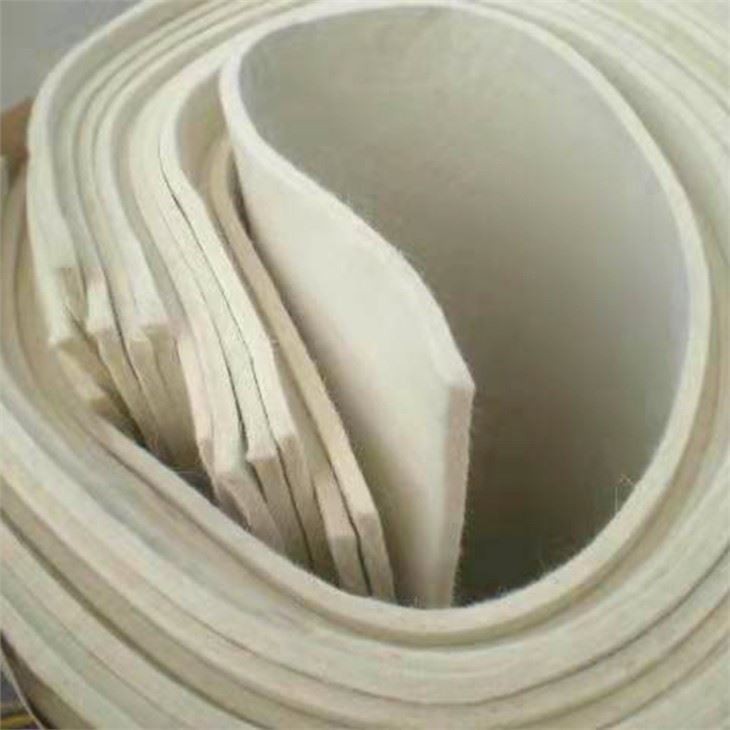

Low - Density Packaging Mats
On the other hand, low - density packaging mats are lighter and more flexible. They're made with fibers that are less tightly packed, resulting in a thinner and more pliable mat.
Low - density mats are ideal for applications where weight and cost are major factors. For instance, if you're shipping a large number of lightweight items, using a low - density Wool Packing Pad can help keep the overall weight of the shipment down. Wool is a natural and renewable material, and a low - density wool packing pad can still provide decent cushioning while being cost - effective.
These mats are also easier to cut and shape, which makes them suitable for custom packaging needs. You can easily trim them to fit the exact dimensions of your product, ensuring a snug and secure fit. This flexibility is especially useful for irregularly shaped items.
But low - density mats have their limitations. They offer less protection compared to high - density mats. If your product is particularly fragile or heavy, a low - density mat might not be able to provide enough cushioning to prevent damage. They're also less durable and may need to be replaced more frequently.
Factors to Consider When Choosing Density
So, how do you decide whether to go for high - density or low - density packaging mats? Here are some factors to consider:
Product Type
The nature of the product you're packaging is the most important factor. Fragile, heavy, or valuable items typically require high - density mats for maximum protection. On the other hand, lightweight and less fragile products can often get by with low - density mats.
Shipping Conditions
If your products are going to be subjected to rough handling or long - distance shipping, high - density mats are a better choice. They can better withstand the rigors of transportation. For local or short - distance shipments, low - density mats might be sufficient.
Cost
Cost is always a consideration. If you're on a tight budget, low - density mats can be a more affordable option. However, you need to balance the cost savings against the potential risk of product damage.
Environmental Impact
If environmental sustainability is important to you, consider the materials used in the mats. For example, bamboo and wool are natural and renewable materials. High - density mats made from these materials can be reused, which is better for the environment in the long run.
Our Range of Packaging Mats
As a packaging mat supplier, we offer a wide range of options to meet different needs. Our Bamboo Fiber Packaging Mat comes in both high - and low - density versions. The high - density bamboo mats are perfect for heavy - duty protection, while the low - density ones are great for lightweight applications.
We also have Wool Packing Pad and Chemical Fiber Packing Pad. The wool pads offer natural cushioning and are environmentally friendly, while the chemical fiber pads are known for their affordability and versatility.
Conclusion
In conclusion, whether packaging mats have a high or low density depends on your specific requirements. High - density mats offer superior protection and durability but come with a higher cost and weight. Low - density mats are lighter, more flexible, and budget - friendly but provide less protection.
If you're still unsure which type of packaging mat is right for you, don't hesitate to reach out. We're here to help you find the perfect solution for your packaging needs. Whether you're a small business or a large corporation, we can work with you to determine the best density and material for your products. Contact us today to start the conversation about your packaging mat requirements.
References
- Packaging Materials Handbook, Third Edition by Daniel W. Green
- The Science of Packaging: Principles and Practice by Peter Coles, David C. McDowell, and Mike Kirwan