

Do pure wool mattresses have a uniform density?
Oct 10, 2025
As a supplier of pure wool mattresses, I've often been asked whether pure wool mattresses have a uniform density. This question is not only relevant to the quality of the mattresses but also to the comfort and support they provide to users. In this blog, I'll delve into the topic of density in pure wool mattresses, exploring the factors that affect it and whether a uniform density is achievable.
Understanding Density in Pure Wool Mattresses
Density refers to the mass of a material per unit volume. In the context of pure wool mattresses, it indicates how much wool is packed into a given space. A higher density generally means more wool fibers are present, which can contribute to greater durability, support, and comfort. However, achieving a perfectly uniform density throughout a mattress is a complex challenge.
Pure wool mattresses are made from natural wool fibers, which are soft, resilient, and breathable. These fibers are typically sourced from sheep and processed to remove impurities and prepare them for mattress production. During the manufacturing process, the wool fibers are layered and compressed to form the mattress core. The density of the mattress can vary depending on several factors, including the type of wool used, the manufacturing techniques, and the design of the mattress.
Factors Affecting the Density of Pure Wool Mattresses
Type of Wool
Different breeds of sheep produce wool with varying characteristics, including fiber length, diameter, and crimp. These factors can influence the density of the wool and, consequently, the density of the mattress. For example, Merino wool is known for its fine, soft fibers, which can be packed more tightly together, resulting in a higher density. On the other hand, coarser wool fibers may not pack as densely, leading to a lower overall density.
Manufacturing Techniques
The method used to manufacture the pure wool mattress can also have a significant impact on its density. There are several techniques available, each with its own advantages and limitations. One common method is needle punching, where barbed needles are used to interlock the wool fibers, creating a dense and stable structure. Another technique is felting, which involves compressing and matting the wool fibers together using heat, moisture, and pressure. The choice of manufacturing technique can affect the distribution of the wool fibers and, therefore, the density of the mattress.
Mattress Design
The design of the mattress, including the thickness, layers, and construction, can also influence its density. A thicker mattress may require more wool to achieve the same density as a thinner one. Additionally, the use of multiple layers or zones in the mattress can result in variations in density. For example, a mattress with a firmer support layer in the center and a softer comfort layer on top may have different densities in each layer.
Is Uniform Density Achievable?
While achieving a perfectly uniform density throughout a pure wool mattress is challenging, it is not impossible. With advanced manufacturing techniques and quality control measures, it is possible to minimize density variations and ensure a high level of consistency.
One approach to achieving a more uniform density is to use a blend of different types of wool. By combining wool fibers with different characteristics, it is possible to create a more balanced and consistent density. For example, a blend of Merino wool and a coarser wool can provide the benefits of both, resulting in a mattress with a uniform density and a good balance of comfort and support.
Another important factor is the manufacturing process. Using precise machinery and automated systems can help ensure that the wool fibers are evenly distributed and compressed during production. Additionally, regular quality checks and inspections can help identify and correct any density variations before the mattresses are shipped to customers.
Benefits of a Uniform Density
A pure wool mattress with a uniform density offers several benefits to users. Firstly, it provides consistent support and comfort across the entire surface of the mattress. This can help reduce pressure points and prevent discomfort, allowing for a more restful sleep. Secondly, a uniform density can contribute to the durability of the mattress. When the wool fibers are evenly distributed, the mattress is less likely to develop sagging or uneven wear over time.
Related Products
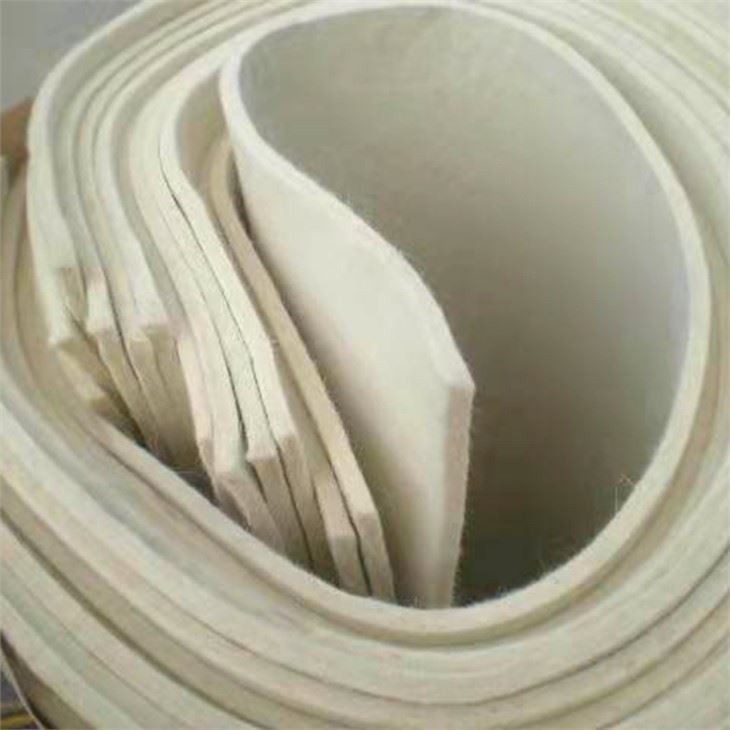
In addition to pure wool mattresses, we also offer a range of related products that can enhance the performance and comfort of your bedding. These include Wool Hot Melt Pad, Acupuncture Cotton Pads, and Wool Fiber Chemical Fiber Mat. These products are designed to work in conjunction with our pure wool mattresses to provide a complete bedding solution.

Conclusion
In conclusion, while achieving a perfectly uniform density in pure wool mattresses is challenging, it is possible with the right combination of materials, manufacturing techniques, and quality control measures. A uniform density offers several benefits, including consistent support, comfort, and durability. As a supplier of pure wool mattresses, we are committed to using the highest quality materials and advanced manufacturing processes to ensure that our mattresses meet the highest standards of quality and performance.
If you're interested in learning more about our pure wool mattresses or our other related products, we encourage you to contact us for a detailed discussion. We're here to help you find the perfect bedding solution for your needs and preferences. Whether you're a retailer looking to stock our products or a consumer in search of a high-quality mattress, we're ready to assist you in your purchasing decision.
References
- Wilson, J. (2018). The Science of Wool: Properties and Applications. Cambridge University Press.
- Smith, A. (2019). Mattress Manufacturing: Techniques and Innovations. Woodhead Publishing.
- Brown, C. (2020). Sleep Comfort and the Role of Mattress Density. Journal of Sleep Research, 29(3), 321-330.