

Do Wool Hot Melt Pads work well with low - viscosity hot melt adhesives?
Dec 18, 2025
Hey there! As a supplier of Wool Hot Melt Pad, I often get asked whether wool hot melt pads work well with low-viscosity hot melt adhesives. Well, let's dive right into this topic and find out.

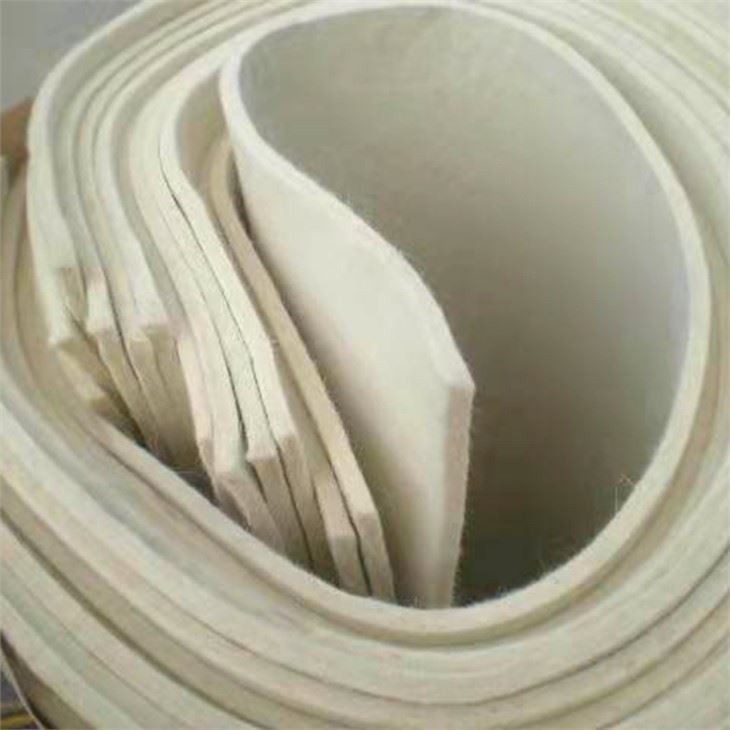
First off, let's understand what we're dealing with. Wool hot melt pads are made from natural wool fibers that are bonded together using a hot melt adhesive process. These pads have a bunch of great properties. They're soft, breathable, and have good elasticity. On the other hand, low-viscosity hot melt adhesives are adhesives that have a relatively low thickness or resistance to flow. They can spread easily and are often used when you need a quick bonding process.
One of the key advantages of using low-viscosity hot melt adhesives with wool hot melt pads is the ease of application. Since these adhesives flow easily, they can penetrate the wool fibers more effectively. This means that the adhesive can reach deeper into the pad, creating a stronger bond between the fibers. When the adhesive penetrates well, it can hold the wool fibers together tightly, which helps maintain the shape and integrity of the wool hot melt pad.
Another benefit is the speed of bonding. Low-viscosity hot melt adhesives set quickly. In a production environment, this is a huge plus. You can assemble products faster, which increases the overall production efficiency. For example, if you're making mattresses with Wool Hot Melt Pad, using low-viscosity hot melt adhesives can cut down on the production time significantly. You won't have to wait around for the adhesive to dry or set, and you can move on to the next step in the manufacturing process right away.
However, there are also some challenges to consider. One issue is the potential for over - penetration. Because low-viscosity adhesives flow so easily, there's a risk that they might penetrate too much and come out the other side of the wool hot melt pad. This can lead to a messy appearance and might even affect the performance of the pad. For instance, if the adhesive seeps through and gets on other parts of the product, it could cause sticking or other problems.
Also, the strength of the bond might be a concern in some cases. While low-viscosity adhesives can penetrate well, they might not always provide the same level of long - term strength as higher - viscosity adhesives. Over time, with repeated use and stress, the bond between the wool fibers and the adhesive might start to weaken. This could lead to the wool fibers coming loose, which would reduce the quality and lifespan of the wool hot melt pad.
To overcome these challenges, proper application techniques are crucial. You need to control the amount of adhesive applied. Using a precise dispensing system can help ensure that just the right amount of low - viscosity hot melt adhesive is used. This way, you can get the benefits of good penetration and fast bonding without the problems of over - penetration.
In addition to Wool Hot Melt Pad, we also offer other related products like Wool Fiber Chemical Fiber Mat and Bamboo Fiber Mat. These products can also work well with low - viscosity hot melt adhesives, but the considerations might be a bit different.
The Wool Fiber Chemical Fiber Mat combines the properties of wool and chemical fibers. The chemical fibers might have different surface characteristics compared to pure wool, which could affect how the low - viscosity hot melt adhesive bonds to them. You might need to adjust the application process slightly to ensure a good bond.
The Bamboo Fiber Mat is made from natural bamboo fibers. Bamboo fibers are known for their strength and moisture - wicking properties. When using low - viscosity hot melt adhesives with bamboo fiber mats, you need to make sure that the adhesive doesn't damage the natural properties of the bamboo. For example, if the adhesive is too harsh, it could reduce the breathability of the bamboo fiber mat.
Overall, wool hot melt pads can work well with low - viscosity hot melt adhesives, but it's important to understand the pros and cons. With the right application techniques and careful consideration, you can achieve a strong, efficient bond that meets your production needs.
If you're in the market for high - quality Wool Hot Melt Pad, Wool Fiber Chemical Fiber Mat, or Bamboo Fiber Mat, and you want to discuss how low - viscosity hot melt adhesives can be used effectively with these products, I'd love to hear from you. Let's start a conversation about your specific requirements and see how we can work together to meet your goals. Whether you're a small - scale manufacturer or a large - scale production facility, we're here to provide you with the best solutions.
References
- Textile Adhesives Handbook, various industry experts' research on adhesive - fiber interactions
- Production Efficiency Studies in Mattress Manufacturing, industry reports on the use of different adhesives in production processes