

How do I store a Wool Hot Melt Pad properly?
Jul 29, 2025
As a supplier of Wool Hot Melt Pads, I understand the importance of proper storage to maintain the quality and performance of these products. In this blog, I'll share some scientific and practical tips on how to store Wool Hot Melt Pads correctly.
Understanding the Characteristics of Wool Hot Melt Pads
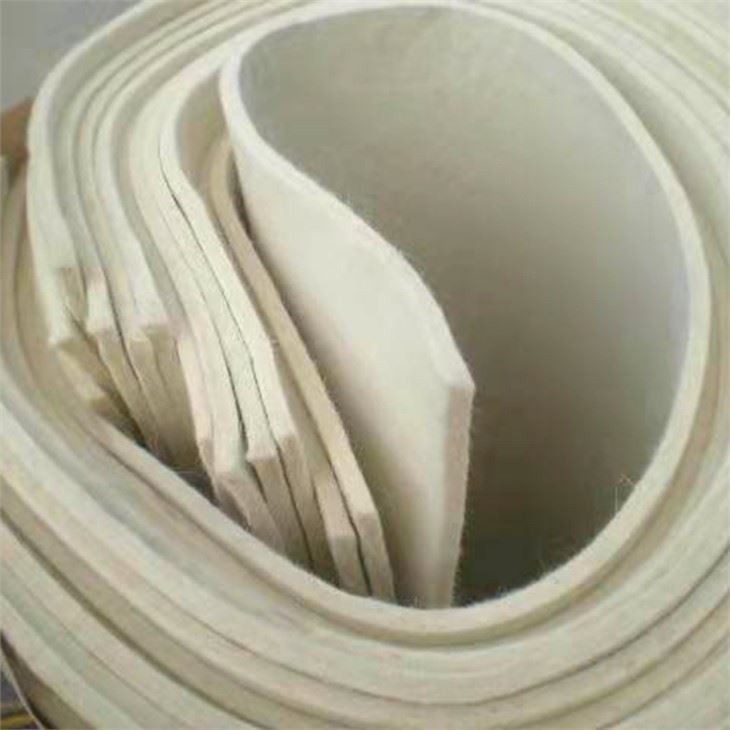
Before diving into storage methods, it's essential to understand the unique properties of Wool Hot Melt Pads. These pads are made of wool fibers bonded together with a hot - melt adhesive. Wool is a natural fiber known for its breathability, moisture - wicking ability, and softness. However, it is also sensitive to certain environmental factors such as humidity, temperature, and pests. The hot - melt adhesive can also be affected by extreme conditions, which may lead to changes in its bonding strength and the overall integrity of the pad.
Ideal Storage Conditions
Temperature
The ideal temperature for storing Wool Hot Melt Pads is between 10°C and 30°C (50°F and 86°F). Temperatures below 10°C can make the wool fibers more brittle, increasing the risk of breakage during handling. On the other hand, temperatures above 30°C can cause the hot - melt adhesive to soften or even melt, which will compromise the structure of the pad. For example, if the pads are stored in a warehouse without proper temperature control during a hot summer, the adhesive may start to lose its bonding properties, and the pads may clump together.
Humidity
Humidity is another critical factor. The relative humidity should be maintained between 40% and 60%. Wool has a high moisture - absorption capacity. If the humidity is too high, the pads can absorb excessive moisture, which can lead to mold growth and mildew. This not only affects the appearance of the pads but also their performance. For instance, moldy pads may have an unpleasant odor and reduced breathability. Conversely, if the humidity is too low, the wool fibers can become dry and static - prone, which may cause the fibers to break or shed.
Light
Wool is sensitive to sunlight and ultraviolet (UV) radiation. Prolonged exposure to direct sunlight can cause the wool to fade and become brittle. Therefore, it's best to store Wool Hot Melt Pads in a dark or dimly lit area. If the storage area has windows, use curtains or blinds to block out the sunlight.
Storage Containers and Packaging
Packaging
When the Wool Hot Melt Pads are received from the production line, they should be properly packaged. The packaging should be made of materials that can protect the pads from moisture, dust, and physical damage. For example, using plastic bags or sealed cardboard boxes can be a good option. The plastic bags should be made of a high - quality, moisture - resistant material.
Storage Containers
If the pads are to be stored for an extended period, they can be placed in storage containers. These containers should be clean, dry, and free from any contaminants. Metal or plastic storage bins can be used, but make sure they have tight - fitting lids to prevent moisture and pests from getting in.

Protection Against Pests
Pests such as moths and carpet beetles are attracted to wool. To protect the Wool Hot Melt Pads from these pests, several measures can be taken.
Natural Repellents
Natural repellents like cedar chips or lavender sachets can be placed in the storage area or inside the packaging. Cedar has a strong odor that repels moths, and lavender has a similar effect. These natural options are environmentally friendly and do not pose any health risks.
Pest - proofing the Storage Area
Seal any cracks or holes in the storage area to prevent pests from entering. Keep the storage area clean and free from food debris, as this can attract pests. Regularly inspect the storage area for signs of pest infestation, such as small holes in the pads or the presence of insects.
Handling During Storage
Stacking
When stacking Wool Hot Melt Pads, be careful not to stack them too high. Excessive weight on the bottom pads can cause them to deform. A good rule of thumb is to stack the pads no more than 10 - 15 pads high, depending on the size and thickness of the pads. Also, make sure the stacks are stable to prevent them from toppling over.
Regular Inspection
Regularly inspect the stored pads. Check for any signs of damage, such as mold, mildew, or pest infestation. If any issues are detected, take immediate action to address them. For example, if mold is found on a few pads, isolate them from the rest and clean or discard them as appropriate.
Comparison with Other Similar Products
It's interesting to compare the storage requirements of Wool Hot Melt Pads with other similar products such as Bamboo Fiber Mat and Acupuncture Cotton Pads.
Bamboo fiber mats are also used in similar applications, but they have different storage needs. Bamboo fibers are more resistant to mold and mildew compared to wool, but they are also more prone to drying out. So, the humidity requirements for bamboo fiber mats are slightly different, with a slightly higher ideal humidity range to prevent the fibers from becoming too dry.
Acupuncture cotton pads are made of cotton, which is generally less sensitive to pests compared to wool. However, cotton can also absorb moisture, so proper humidity control is still necessary. The temperature requirements for acupuncture cotton pads are similar to those of Wool Hot Melt Pads, but the light sensitivity is not as high as that of wool.
Importance of Proper Storage for Customers
Proper storage of Wool Hot Melt Pads is not only important for suppliers but also for customers. When customers receive high - quality, well - stored pads, they can expect better performance and a longer lifespan from the products. For example, if a customer uses a Wool Hot Melt Pad in a mattress, a well - stored pad will maintain its shape, comfort, and breathability for a longer time.
Conclusion
Storing Wool Hot Melt Pads properly is crucial to ensure their quality and performance. By controlling the temperature, humidity, and light, using appropriate packaging and storage containers, protecting against pests, and handling the pads carefully during storage, suppliers can provide their customers with high - quality products. If you are interested in purchasing Wool Hot Melt Pads, please feel free to contact us for more information and to discuss your specific requirements.
References
- Textile Storage Guidelines, International Textile Research Institute
- Wool Industry Handbook, Wool Council of Australia