

How do wool packing pads compare to bubble wrap?
Jan 08, 2026
In the realm of packaging materials, choosing the right option can significantly impact the protection of your products, environmental sustainability, and overall cost - effectiveness. Two popular contenders are wool packing pads and bubble wrap. As a supplier of Wool Packing Pad, I am well - versed in the features and benefits of wool packing pads and how they stack up against the traditional bubble wrap.
1. Overview of Wool Packing Pads and Bubble Wrap
Bubble wrap has been a staple in the packaging industry for decades. Composed of plastic sheets with air - filled bubbles, it provides a cushioning effect that helps protect fragile items during transit. Its popularity stems from its relatively low cost, wide availability, and ease of use.
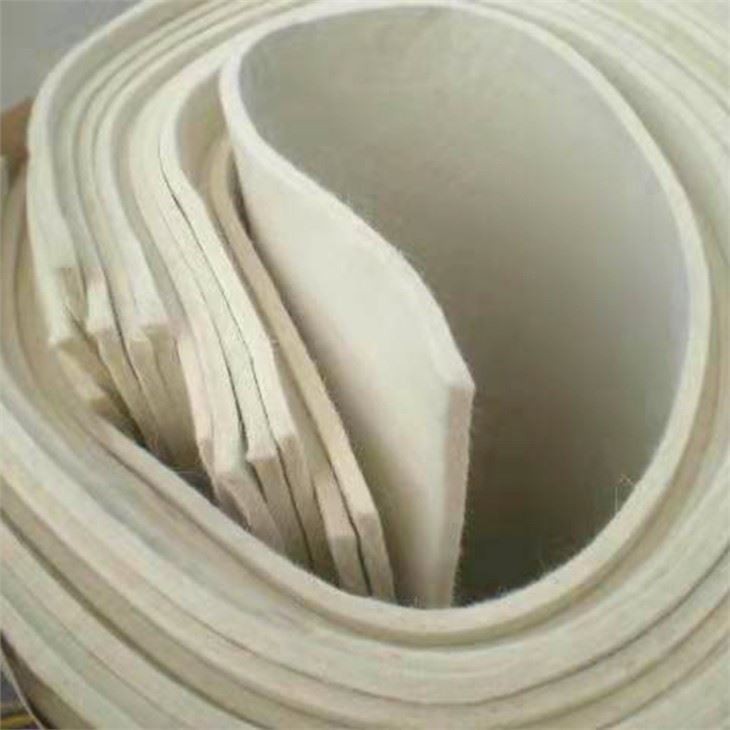
On the other hand, wool packing pads are a more natural and eco - friendly alternative. Made from wool fibers, these pads offer a range of unique properties that make them a worthy competitor to bubble wrap. Not only do they provide excellent protection, but they also have several environmental and safety advantages.
2. Protection and Cushioning
When it comes to protecting items, both wool packing pads and bubble wrap aim to prevent damage from impacts and vibrations during shipping.
Bubble Wrap
The air - filled bubbles in bubble wrap act as shock absorbers. When an item is dropped or subjected to a jolt, the bubbles compress and disperse the energy, reducing the force transferred to the packaged item. However, bubble wrap has some limitations. The bubbles can pop, especially if they are under too much pressure or are punctured by a sharp object. Once a bubble pops, its cushioning ability is lost in that area, leaving the item more vulnerable to damage.
Wool Packing Pads
Wool fibers have a natural spring - like structure, which allows them to compress and expand repeatedly. This enables wool packing pads to absorb and dissipate impact energy effectively. Unlike bubble wrap, wool does not rely on air - filled compartments, so there is no risk of "failure" due to popped bubbles. Additionally, wool packing pads can conform to the shape of the item being packed, providing a more customized and secure fit, which further enhances protection.
3. Environmental Impact
In today's world, the environmental impact of packaging materials is a crucial consideration.
Bubble Wrap
Bubble wrap is typically made from plastic, most commonly polyethylene. Plastic is derived from fossil fuels, a non - renewable resource. In addition, plastic bubble wrap is not biodegradable. Once discarded, it can take hundreds of years to decompose, contributing to landfill waste and environmental pollution. Recycling bubble wrap can be challenging because it often gets contaminated with other materials during use, and not all recycling facilities accept it.
Wool Packing Pads
Wool is a natural and renewable resource. Sheep can be shorn annually, providing a continuous supply of wool. Moreover, wool is biodegradable. When disposed of properly, it will break down over time, reducing its long - term impact on the environment. Wool also has a relatively low carbon footprint compared to plastic production. The process of growing sheep and processing wool requires less energy and produces fewer greenhouse gas emissions than the manufacturing of plastic bubble wrap.

4. Safety and Health Considerations
The safety of packaging materials is important, especially when it comes to the products being packed and the individuals handling them.
Bubble Wrap
Bubble wrap is generally considered safe, but the plastic can pose some risks. There is a small choking hazard, especially for young children who may be attracted to the popping sound of the bubbles. Also, some plastics used in bubble wrap production can contain chemicals such as phthalates, which have been linked to potential health issues.
Wool Packing Pads
Wool is a natural material that is hypoallergenic for most people. It is free from the harmful chemicals often found in plastic products. This makes wool packing pads a safer option for both the products being packed and the individuals handling them. There is no risk of choking on small parts or exposure to toxic chemicals.
5. Cost - effectiveness
Cost is often a significant factor in the decision - making process for packaging materials.
Bubble Wrap
Bubble wrap is usually inexpensive to produce, which makes it an affordable choice for many businesses. It is widely available in bulk, and the low cost of raw materials contributes to its competitive pricing. However, when considering the long - term costs associated with environmental impact and potential product damage, the overall cost - effectiveness may be lower.
Wool Packing Pads
While wool packing pads may have a higher upfront cost compared to bubble wrap, they offer long - term savings. Their superior protection reduces the likelihood of product damage during shipping, which means fewer returns and replacements. Additionally, as the demand for eco - friendly packaging solutions increases, using wool packing pads can enhance a company's brand image, potentially leading to greater customer loyalty and increased sales.
6. Additional Packaging Alternatives
In addition to bubble wrap and wool packing pads, there are other packaging materials available in the market, such as Chemical Fiber Packing Pad and Bamboo Fiber Packaging Mat.
Chemical fiber packing pads are made from synthetic fibers and offer similar cushioning properties to bubble wrap. However, like plastic bubble wrap, they are often derived from non - renewable resources and may have a negative environmental impact.
Bamboo fiber packaging mats are a more sustainable option. Bamboo is a fast - growing and renewable resource. These mats provide good protection and are biodegradable. Yet, they may not have the same level of cushioning as wool packing pads in some cases.
7. Conclusion and Call to Action
In conclusion, wool packing pads offer several advantages over bubble wrap in terms of protection, environmental impact, safety, and long - term cost - effectiveness. While bubble wrap has been a popular choice for many years, the growing awareness of environmental issues and the need for more sustainable packaging solutions is driving the shift towards alternatives like wool packing pads.
If you are looking for a high - quality, eco - friendly packaging solution that provides excellent protection for your products, I invite you to consider our Wool Packing Pad. We are committed to providing the best quality wool packing pads to meet your packaging needs. Whether you are a small business or a large corporation, we can work with you to find the right packaging solution. Contact us today to discuss your requirements and explore how our wool packing pads can enhance your packaging process.
References
- Packaging World. "The Future of Sustainable Packaging."
- Journal of Environmental Science and Technology. "Comparative Analysis of Environmental Impacts of Plastic and Natural Fiber Packaging Materials."
- International Journal of Logistics and Supply Chain Management. "Cost - Benefit Analysis of Packaging Materials in E - commerce."