

How to check the quality of Sealing Pad Felt?
Jul 23, 2025
As a supplier of Sealing Pad Felt, ensuring the quality of our products is not only a commitment to our customers but also the cornerstone of our business success. In this blog post, I'll share some professional insights on how to check the quality of Sealing Pad Felt, drawing on our years of industry experience.
1. Visual Inspection
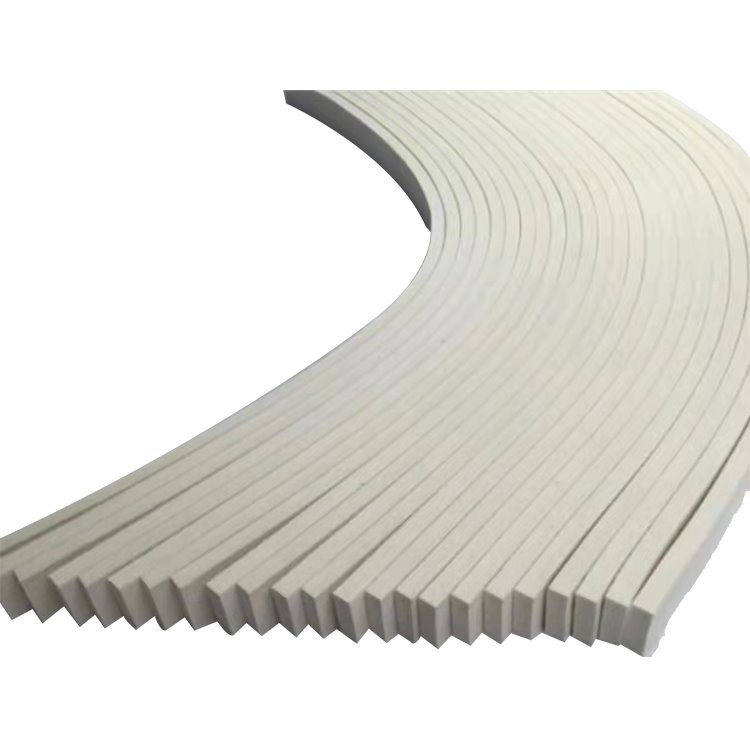
The first step in assessing the quality of Sealing Pad Felt is a thorough visual inspection. Begin by examining the surface of the felt. A high - quality Sealing Pad Felt should have a smooth and uniform appearance. Any signs of unevenness, lumps, or holes can indicate manufacturing defects that may compromise its sealing performance.
Look closely at the edges of the felt. They should be cleanly cut and free from fraying. Frayed edges can lead to leakage and reduce the overall lifespan of the sealing pad. Also, check for color consistency. If the felt has a consistent color throughout, it usually suggests a well - controlled manufacturing process.
2. Material Composition
The material used in Sealing Pad Felt plays a crucial role in determining its quality. There are different types of felts available, such as Sealed Mixed Felt, Chemical Fiber Seal Belt Felt, and Sealing Pad Wool Felt.
- Wool Felt: Wool is a natural fiber that offers excellent resilience, compressibility, and heat resistance. High - quality wool felt should have a dense and uniform fiber structure. You can try gently pulling at the fibers. If they don't easily come out, it indicates a good quality wool felt.
- Chemical Fiber Felt: Chemical fiber felts are known for their chemical resistance and durability. Check the fiber thickness and uniformity. A consistent fiber diameter is a sign of better quality. Also, make sure there are no signs of fiber breakage or excessive shedding.
- Mixed Felt: Mixed felts combine the advantages of different fibers. When inspecting mixed felts, ensure that the fibers are well - blended. You can use a magnifying glass to examine the fiber distribution.
3. Density Testing
Density is an important parameter for Sealing Pad Felt. A higher density generally means better sealing performance and durability. You can measure the density of the felt by weighing a known volume of the material.
First, cut a sample of the felt with precise dimensions (e.g., a square or rectangular piece). Measure the length, width, and thickness of the sample accurately. Then, weigh the sample using a precise scale. Calculate the volume of the sample by multiplying the length, width, and thickness. Finally, divide the weight of the sample by its volume to obtain the density.
Compare the measured density with the specifications provided by the manufacturer. If the density is significantly lower or higher than the specified range, it may indicate a quality issue.
4. Compression and Recovery Testing
Sealing Pad Felt needs to be able to compress under pressure and then recover its original shape to maintain a good seal. To test the compression and recovery properties, you can use a simple compression test setup.
Place the felt sample between two flat plates. Apply a known amount of pressure gradually and measure the thickness of the felt under compression. Then, release the pressure and measure the thickness of the felt again after a certain period (e.g., 5 minutes). A high - quality Sealing Pad Felt should be able to recover a significant portion of its original thickness.
The compression ratio (the ratio of the compressed thickness to the original thickness) and the recovery rate (the ratio of the recovered thickness to the original thickness) are important indicators. A lower compression ratio and a higher recovery rate suggest better quality.
5. Chemical Resistance Testing
Depending on the application, Sealing Pad Felt may come into contact with various chemicals. Therefore, it's essential to test its chemical resistance.
Select a small sample of the felt and immerse it in the relevant chemical for a specific period (e.g., 24 hours). Observe any changes in the appearance, such as color change, swelling, or softening. Also, measure the weight and dimensions of the sample before and after immersion to detect any significant changes.
If the felt shows minimal changes in appearance, weight, and dimensions, it indicates good chemical resistance.
6. Abrasion Resistance Testing
In many applications, Sealing Pad Felt may be subject to abrasion. To test the abrasion resistance, you can use an abrasion testing machine or a simple abrasion test setup.
Rub the felt sample against an abrasive surface (e.g., sandpaper) under a constant load for a certain number of cycles. Observe the amount of wear on the felt surface. A high - quality Sealing Pad Felt should show minimal signs of abrasion.
You can also measure the weight loss of the sample after the abrasion test. A lower weight loss indicates better abrasion resistance.

7. Temperature Resistance Testing
Temperature can have a significant impact on the performance of Sealing Pad Felt. To test its temperature resistance, place the felt sample in an oven or a temperature - controlled chamber at the relevant temperature for a specific period (e.g., 1 hour).
Observe any changes in the appearance, such as melting, charring, or hardening. Measure the physical properties of the sample, such as density, compression, and recovery, before and after the temperature test. If the felt maintains its properties within an acceptable range, it indicates good temperature resistance.
8. Sealing Performance Testing
Ultimately, the most important test for Sealing Pad Felt is its sealing performance. You can simulate the actual working conditions and test the sealing ability of the felt.
For example, if the felt is used to seal a pipe joint, install the felt between two pipe flanges and apply a certain pressure. Then, introduce a gas or liquid into the pipe and check for any leakage. Use appropriate detection methods, such as pressure sensors or visual inspection, to determine the sealing effectiveness.
If the felt can prevent leakage under the specified pressure and conditions, it passes the sealing performance test.
Conclusion
Checking the quality of Sealing Pad Felt requires a comprehensive approach, including visual inspection, material composition analysis, density testing, compression and recovery testing, chemical resistance testing, abrasion resistance testing, temperature resistance testing, and sealing performance testing.
As a professional Sealing Pad Felt supplier, we are committed to providing high - quality products that meet the strictest quality standards. If you are interested in purchasing Sealing Pad Felt or have any questions about our products, please feel free to contact us for further discussion and negotiation. We look forward to working with you to meet your sealing needs.
References
- ASTM International. (Year). ASTM standards related to felt materials and testing methods.
- ISO (International Organization for Standardization). (Year). ISO standards for industrial felt products.
- Industry technical manuals and research papers on Sealing Pad Felt.