

How to use Paint Line Felt for gradient painting?
Jun 12, 2025
Gradient painting is an artistic technique that adds depth, dimension, and a sense of fluidity to your artwork. It involves smoothly transitioning from one color to another, creating a beautiful visual effect. One excellent tool that can greatly assist in achieving professional - looking gradient paintings is Paint Line Felt. As a Paint Line Felt supplier, I'm here to share with you how to use this amazing material for gradient painting.
Understanding Paint Line Felt
Before diving into the process of gradient painting, it's important to understand what Paint Line Felt is. Paint Line Felt comes in different types, each with its own unique characteristics. There is the Wool Paint Stripping Felt, which is made from high - quality wool fibers. Wool felt is known for its softness, absorbency, and ability to hold paint well. It provides a smooth application of paint and can be easily manipulated to create different effects.
The Mixed Wool Paint Stripping Felt combines wool with other fibers. This type of felt offers a balance between the properties of wool and the additional fibers, often providing more durability and cost - effectiveness.
The Chemical Fiber Paint Stripping Felt is made from synthetic fibers. It is generally more resistant to chemicals and wear, making it suitable for long - term use and in environments where there may be exposure to harsh substances.
Preparing for Gradient Painting with Paint Line Felt
Gathering Materials
- Paint Line Felt: Select the appropriate type of felt based on your project requirements. You can choose from different sizes and thicknesses as well.
- Paints: Choose high - quality paints in the colors you want to use for your gradient. Acrylic paints are a popular choice for gradient painting due to their fast - drying time and wide range of colors.
- Palette: A palette is essential for mixing and holding your paints. You can use a traditional palette or a disposable one.
- Canvas or Surface: Decide on the surface where you will be painting. It could be a canvas, a wooden board, or even a wall. Make sure the surface is clean and dry before starting.
- Brushes: You may need a few brushes for initial paint application and for any detailed work.
Preparing the Felt
Before using the Paint Line Felt, it's a good idea to wash it gently to remove any dust or debris. Let it dry completely. If the felt has a rough edge, you can trim it with a pair of sharp scissors to ensure a clean application.
Step - by - Step Guide to Gradient Painting with Paint Line Felt
Step 1: Planning Your Gradient
- Sketch out your gradient design on a piece of paper or directly on the painting surface using a light pencil. Decide which colors you want to use and the direction of the gradient, whether it's horizontal, vertical, or diagonal.
- Consider the contrast between the colors. For a more subtle gradient, choose colors that are close to each other on the color wheel. For a more dramatic effect, use complementary colors.
Step 2: Mixing the Paints
- Squeeze a small amount of each paint color onto the palette. Start by mixing the base color, which will be the lightest or darkest color of your gradient.
- To create the transition colors, gradually add small amounts of the other color to the base color and mix thoroughly. You should end up with a series of colors that blend smoothly from one to the other.
Step 3: Applying the First Color
- Dip a brush into the base color and apply it evenly to the area where the gradient will start. Use long, smooth strokes to cover the surface.
- You can also use the Paint Line Felt to apply the paint. Dip the felt into the paint and gently press it onto the surface, spreading the paint in a thin layer. This method can create a more textured and organic look.
Step 4: Creating the Gradient with the Felt
- Dip the Paint Line Felt into the next color in your gradient. Make sure the felt is evenly saturated with paint but not dripping.
- Starting at the edge of the first color, gently press and drag the felt across the surface, overlapping the first color slightly. The felt will transfer the paint and blend it with the existing color, creating a smooth transition.
- Continue this process with each subsequent color, gradually building up the gradient. Work slowly and patiently, paying attention to the blend between the colors.
- As you move along the gradient, you may need to re - dip the felt into the paint to maintain an even application.
Step 5: Blending and Refining
- If there are any visible lines or uneven areas in the gradient, you can use a clean part of the felt or a dry brush to blend them. Gently brush over the area in a circular motion to smooth out the transition.
- For a more polished look, you can go back and add more layers of paint, repeating the gradient process until you achieve the desired effect.
Step 6: Adding Details
- Once the gradient is complete, you can use a small brush to add any details or highlights to your painting. This could include adding a focal point, such as a flower or a face, or enhancing the texture of the gradient.
Tips and Tricks for Using Paint Line Felt in Gradient Painting
- Layering: For a more intense and rich gradient, you can apply multiple layers of paint. Let each layer dry completely before adding the next one.
- Experiment with Different Pressures: Applying more pressure with the felt will transfer more paint, creating a darker and more saturated area. Less pressure will result in a lighter and more subtle effect.
- Clean the Felt Regularly: If the felt gets too saturated with paint or starts to pick up debris, clean it gently with a damp cloth or by washing it if necessary. This will ensure a consistent application of paint.
- Work in Small Sections: To maintain control over the gradient and prevent the paint from drying too quickly, work in small sections at a time.
Troubleshooting Common Issues
Uneven Gradient
- If you notice that the gradient is uneven, it could be because the paint was not mixed well or the felt was not applied evenly. Try re - blending the colors on the palette and applying the felt with more consistent pressure.
- You can also use a clean brush to blend the uneven areas.
Drying Too Quickly
- If the paint is drying too quickly, you can add a small amount of water or a retarder to the paint to slow down the drying process. This will give you more time to work on the gradient.
Conclusion
Using Paint Line Felt for gradient painting is a great way to achieve professional - looking results. The felt's unique properties allow for smooth paint application and beautiful color blending. Whether you are a beginner or an experienced artist, this technique can add a new dimension to your artwork.
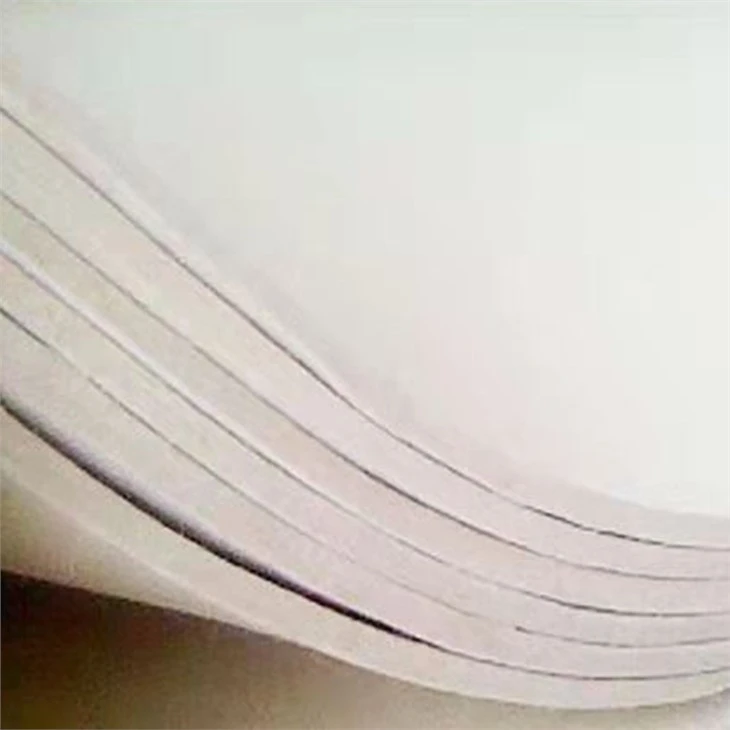

If you're interested in purchasing high - quality Paint Line Felt for your gradient painting projects, we're here to help. We offer a wide range of Paint Line Felt products, including Wool Paint Stripping Felt, Mixed Wool Paint Stripping Felt, and Chemical Fiber Paint Stripping Felt. Contact us to discuss your specific needs and start creating amazing gradient paintings today.
References
- Smith, J. (2018). The Art of Gradient Painting. Art Publishing House.
- Brown, A. (2020). Guide to Using Felt in Painting. Crafting Journal.