

Is Sealed Mixed Felt suitable for use in cryogenic applications?
Sep 26, 2025
Is Sealed Mixed Felt suitable for use in cryogenic applications?
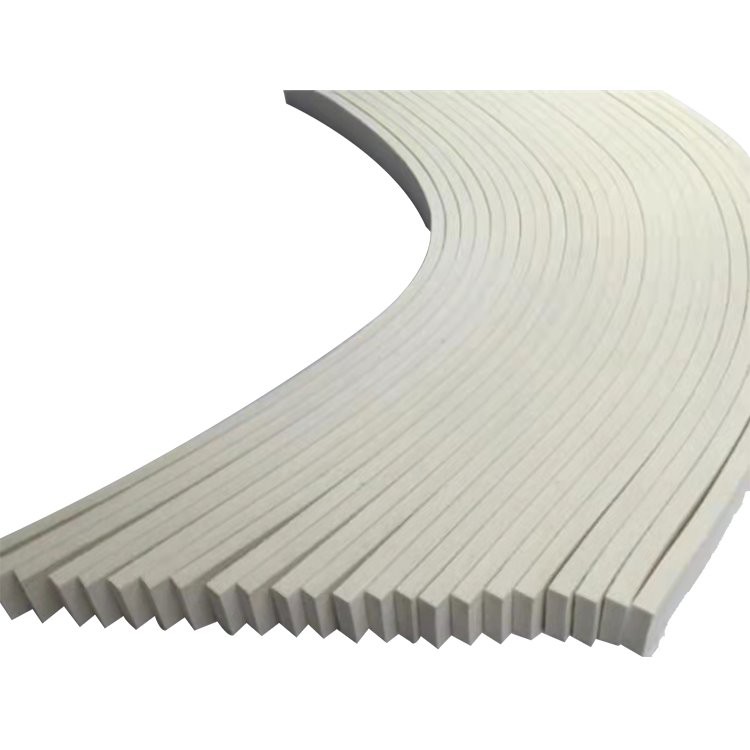

As a supplier of Sealed Mixed Felt, I often get asked about the suitability of our product for cryogenic applications. Cryogenic applications involve extremely low temperatures, typically below -150°C (-238°F), and materials used in these environments must be able to withstand the harsh conditions without losing their functionality. In this blog post, I will explore whether Sealed Mixed Felt is a good choice for cryogenic applications.
Understanding Sealed Mixed Felt
Sealed Mixed Felt is a type of industrial felt that is made by combining different fibers, such as wool and synthetic fibers, and then treating it to create a sealed surface. This sealing process helps to improve the felt's resistance to liquids, gases, and dust, making it suitable for a wide range of sealing applications. The combination of different fibers gives Sealed Mixed Felt unique properties, such as high strength, good elasticity, and excellent abrasion resistance.
You can learn more about our Sealed Mixed Felt on our website.
Requirements for Cryogenic Applications
Before determining whether Sealed Mixed Felt is suitable for cryogenic applications, it's important to understand the key requirements for materials used in these environments:
- Low Temperature Brittleness Resistance: At cryogenic temperatures, materials can become brittle and lose their flexibility. A suitable material should maintain its mechanical properties and not crack or break under stress.
- Thermal Insulation: Cryogenic systems often require materials with good thermal insulation properties to minimize heat transfer and maintain the low temperatures.
- Chemical Resistance: Many cryogenic applications involve the use of liquefied gases, such as nitrogen, oxygen, and helium. The material must be resistant to these chemicals to prevent degradation.
- Sealing Performance: In cryogenic systems, effective sealing is crucial to prevent leakage of cryogenic fluids and gases. The material should be able to maintain a tight seal even at low temperatures.
Evaluating Sealed Mixed Felt for Cryogenic Applications
Let's analyze how Sealed Mixed Felt fares against the requirements for cryogenic applications:
Low Temperature Brittleness Resistance
The combination of different fibers in Sealed Mixed Felt gives it some degree of flexibility. However, at extremely low cryogenic temperatures, the fibers may become more rigid. The synthetic fibers in the felt may have better low - temperature performance compared to natural fibers like wool. Some synthetic fibers, such as aramid or polyester, can maintain their mechanical properties at lower temperatures. But it's important to note that the overall performance of Sealed Mixed Felt in terms of low - temperature brittleness will depend on the specific fiber blend and the treatment process.
Thermal Insulation
Felt materials, in general, have some thermal insulation properties due to the air pockets trapped within the fiber structure. Sealed Mixed Felt can provide a certain level of thermal insulation, but it may not be as effective as specialized cryogenic insulation materials like expanded polystyrene or polyurethane foam. However, in some applications where moderate insulation is sufficient, Sealed Mixed Felt can be a viable option.
Chemical Resistance
The sealing treatment of Sealed Mixed Felt can enhance its chemical resistance. It can resist many common chemicals, including some of the liquefied gases used in cryogenic applications. However, the long - term exposure to certain cryogenic fluids may still cause some degradation. For example, some aggressive chemicals may penetrate the felt over time and affect its performance.
Sealing Performance
One of the main advantages of Sealed Mixed Felt is its sealing ability. The sealed surface helps to prevent the leakage of fluids and gases. At low temperatures, the felt may contract slightly, but if the initial seal is properly designed, it can still maintain a good seal. The elasticity of the felt also allows it to conform to irregular surfaces, which is beneficial for sealing applications.
Case Studies and Applications
There are some cases where Sealed Mixed Felt has been used in cryogenic applications. For example, in some small - scale cryogenic storage units, Sealed Mixed Felt has been used as a gasket material to seal the access doors. The felt's ability to conform to the door surface and its moderate thermal insulation properties have made it a suitable choice for these applications.
In addition, in some cryogenic transfer lines, Sealed Mixed Felt has been used as a secondary sealing layer. It helps to prevent minor leaks and provides an extra level of protection.
Comparing with Other Materials
When considering Sealed Mixed Felt for cryogenic applications, it's important to compare it with other commonly used materials:
- Rubber Seals: Rubber seals are widely used in cryogenic applications due to their excellent sealing performance and low - temperature flexibility. However, they may have limitations in terms of chemical resistance and thermal insulation compared to Sealed Mixed Felt.
- Metal Gaskets: Metal gaskets offer high strength and good chemical resistance. But they may require precise machining and installation, and they are not as flexible as Sealed Mixed Felt.
Conclusion
In conclusion, Sealed Mixed Felt can be suitable for some cryogenic applications, especially those where moderate thermal insulation, sealing performance, and chemical resistance are required. However, it may not be the best choice for applications with extremely low temperatures or where high - performance insulation is crucial.
If you are considering using Sealed Mixed Felt in a cryogenic application, it's recommended to conduct thorough testing to ensure that it meets your specific requirements. Our team of experts can provide more information and guidance on the suitability of our Sealed Mixed Felt for your project.
We also offer other related products, such as Chemical Fiber Seal Belt Felt and Sealing Pad Wool Felt, which may also be considered for different applications.
If you are interested in purchasing Sealed Mixed Felt or have any questions about its use in cryogenic applications, please feel free to contact us for further discussion and procurement negotiation.
References
- "Handbook of Cryogenic Engineering", edited by Chen J. and Lin X.
- "Materials for Cryogenic Applications", published by the American Society for Testing and Materials (ASTM).