

Is wool oil feed felt resistant to mold and mildew?
Sep 15, 2025
Hey there! As a supplier of Wool Oil Feed Felt, I often get asked whether this type of felt is resistant to mold and mildew. It's a super important question, especially for those using the felt in industrial settings or other environments where moisture and dampness can be an issue. So, let's dig into this topic and find out if Wool Oil Feed Felt can stand up to mold and mildew.
First off, let's understand what Wool Oil Feed Felt is. It's a specialized type of felt that's designed to absorb and distribute oil. This makes it incredibly useful in various industrial applications, like lubricating machinery parts. You can check out more about it here: Wool Oil Feed Felt. It's made from high - quality wool fibers, which give it unique properties compared to other types of felts.
Now, when it comes to mold and mildew, we need to know what causes them. Mold and mildew are fungi that thrive in warm, damp, and dark environments. They love to grow on organic materials, and wool, being a natural fiber, is an organic material. So, on the surface, it might seem like Wool Oil Feed Felt would be a prime target for mold and mildew growth.
But here's the thing. Wool has some natural properties that can actually help in the fight against mold and mildew. Wool fibers have a high moisture - wicking ability. This means that they can absorb moisture from the air and then release it slowly. When the moisture doesn't stay trapped on the felt, it's less likely that mold and mildew will start to grow. For example, if there's a bit of humidity in the air, the wool in the felt will soak it up, and as the conditions change, the moisture will evaporate, keeping the felt relatively dry.
Another factor is that wool contains lanolin. Lanolin is a natural oil that's secreted by sheep. It has antibacterial and antifungal properties. These properties act as a natural defense mechanism for the wool. So, when the felt is made from wool, it inherits some of these protective qualities. The lanolin in the Wool Oil Feed Felt can help prevent the growth of mold and mildew by creating an environment that's not very friendly to these fungi.
However, it's not all sunshine and rainbows. If the Wool Oil Feed Felt is constantly exposed to extremely wet conditions, like being submerged in water for long periods or left in a very humid environment without proper ventilation, then the risk of mold and mildew growth increases. Even with the natural moisture - wicking and antifungal properties of wool, it can only do so much when faced with excessive moisture.
Let's compare Wool Oil Feed Felt with other types of felts in terms of mold and mildew resistance. For instance, Oil - absorbing Mixed Felt is a different type of felt. It might be made from a combination of different fibers, and its mold and mildew resistance can vary depending on the materials used. If it has a higher proportion of synthetic fibers, it might be more resistant to mold and mildew as synthetic materials are generally less prone to fungal growth.
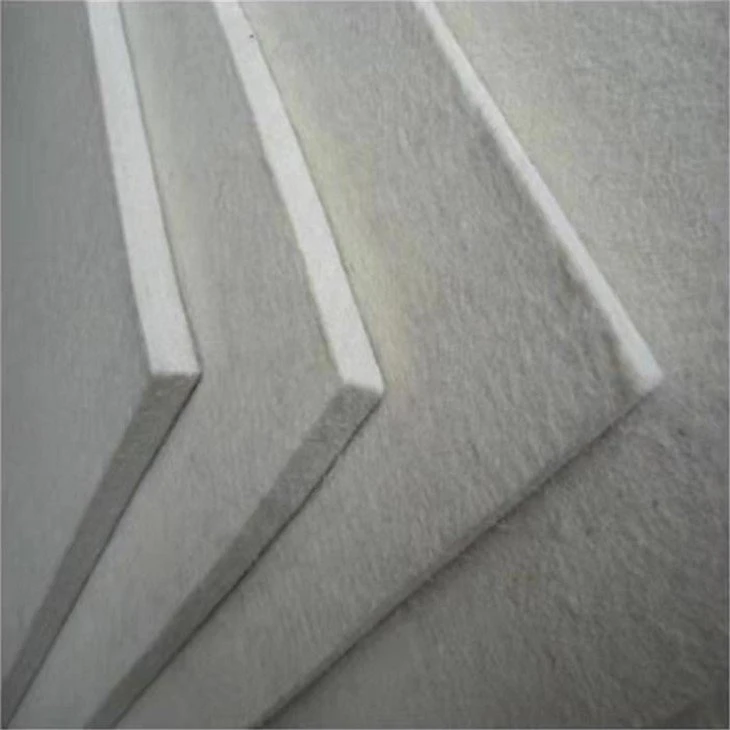

On the other hand, Chemical Fiber Suction Oil Felt is made from chemical fibers. These fibers are often more resistant to moisture and don't provide a good environment for mold and mildew to grow. But they lack the natural comfort and some of the unique properties that wool has.
So, is Wool Oil Feed Felt completely immune to mold and mildew? No, it's not. But it does have some built - in defenses that make it more resistant compared to many other materials. To further enhance its resistance, there are some steps that can be taken.
One of the best things you can do is to ensure proper storage and usage. Store the felt in a dry, well - ventilated area. If it's being used in a machine, make sure the machine is kept clean and dry. Regularly inspect the felt for any signs of moisture or mold growth. If you notice any dampness, try to dry the felt as soon as possible. You can use a fan or place it in a dry area with good air circulation.
Another option is to treat the felt with antifungal agents. There are various commercial products available that can be applied to the felt to provide an extra layer of protection against mold and mildew. These treatments can be especially useful if the felt is going to be used in an environment where the risk of mold and mildew is high.
In some industrial applications, the felt is also in contact with oil. The oil can actually help in preventing mold and mildew growth. Oil creates a barrier that can stop moisture from reaching the felt fibers. It also makes it harder for mold and mildew spores to attach to the felt. However, it's important to note that if the oil is contaminated or if there's too much oil that causes the felt to become overly saturated and not allow for proper air circulation, it could potentially lead to mold and mildew growth.
So, in conclusion, Wool Oil Feed Felt has a decent level of resistance to mold and mildew thanks to the natural properties of wool, such as its moisture - wicking ability and the presence of lanolin. But it's not invincible. With proper care, storage, and sometimes additional treatments, you can keep your Wool Oil Feed Felt mold and mildew - free for a long time.
If you're in the market for high - quality Wool Oil Feed Felt or have any questions about its resistance to mold and mildew, don't hesitate to reach out. We're here to help you find the best solution for your industrial needs. Whether you need a small quantity for a specific project or a large - scale supply, we've got you covered. Let's start a conversation about how our Wool Oil Feed Felt can work for you.
References
- Textile Institute. "Properties of Natural Fibers." Handbook of Textile Fibers.
- Agricultural Research Service. "Antifungal Properties of Wool Lanolin." Journal of Agricultural and Food Chemistry.