

Is wool oil feed felt resistant to UV rays?
Aug 14, 2025
Hey there! As a supplier of Wool Oil Feed Felt, I often get asked a bunch of questions about our products. One question that pops up quite a bit is, "Is wool oil feed felt resistant to UV rays?" Let's dig into this topic and find out what's what.
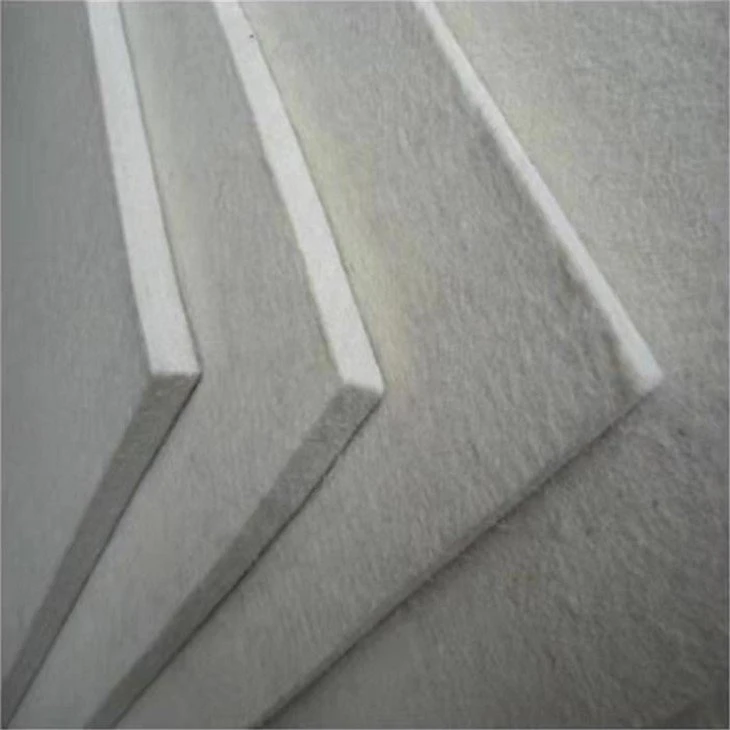
First off, let's talk a bit about what Wool Oil Feed Felt is. It's a type of industrial felt that's commonly used in various applications, especially those related to oil absorption and lubrication. You can check out more about it on our website Wool Oil Feed Felt.
Now, when it comes to UV resistance, it's important to understand how UV rays can affect materials. UV rays, which come from the sun, can cause a lot of damage to different substances over time. They can break down chemical bonds, fade colors, and make materials brittle. This is a big deal for products that are exposed to sunlight for long periods.
Wool, the main component of Wool Oil Feed Felt, has some natural properties that give it a certain level of protection against UV rays. Wool fibers contain a pigment called melanin, which can absorb and scatter UV radiation to some extent. Also, the complex structure of wool fibers can act as a physical barrier, blocking some of the UV rays from penetrating deep into the felt.
However, it's not all sunshine and rainbows. While wool does have some built - in UV resistance, it's not invincible. Prolonged and intense exposure to UV rays can still cause damage to Wool Oil Feed Felt. Over time, the UV rays can break down the proteins in the wool, leading to a loss of strength and flexibility. The felt may start to become dry, brittle, and its oil - absorbing properties could be affected.

If you're using Wool Oil Feed Felt outdoors or in an environment with high UV exposure, you need to take some precautions. One option is to use a UV - resistant coating. There are various coatings available on the market that can be applied to the felt to enhance its UV protection. These coatings work by creating an additional layer that reflects or absorbs the UV rays before they reach the wool fibers.
Another thing to consider is the quality of the wool used in the felt. Higher - quality wool generally has better natural UV - resistant properties. At our company, we source the best wool for our Wool Oil Feed Felt to ensure that it has the best possible performance, even in challenging conditions.
Now, let's compare Wool Oil Feed Felt with some other types of felt in terms of UV resistance. For example, Chemical Fiber Suction Oil Felt is made from synthetic fibers. Synthetic fibers can be engineered to have high UV resistance. Some chemical fibers are designed to be highly stable under UV exposure and can maintain their properties for a long time. However, they may lack some of the natural oil - absorbing capabilities that wool has.
On the other hand, Oil - absorbing Mixed Felt, which is a combination of different fibers, may have a variable level of UV resistance depending on the types of fibers used. If it contains a significant amount of wool, it will have some of the natural UV - resistant properties of wool, but if it has a high proportion of other fibers, its UV resistance could be different.
So, in conclusion, Wool Oil Feed Felt has some natural resistance to UV rays thanks to the properties of wool. But it's not a perfect solution for long - term, high - intensity UV exposure. You need to take appropriate measures to protect it if it's going to be in a sunny environment.
If you're in the market for Wool Oil Feed Felt or any of our other felt products, we're here to help. We can provide you with detailed information about the UV resistance of our products and offer advice on how to protect them. Whether you're using the felt for industrial applications, oil - spill cleanup, or any other purpose, we've got the right solution for you. Reach out to us to start a conversation about your specific needs and let's see how we can work together to get you the best - quality felt products.
References
- "The Properties of Wool" - Textile Institute Publications
- "UV Degradation of Natural and Synthetic Fibers" - Journal of Polymer Science