

Is wool oil feed felt suitable for high - precision applications?
Sep 09, 2025
Hey there! As a supplier of Wool Oil Feed Felt, I often get asked if this type of felt is suitable for high - precision applications. Well, let's dive right into it and find out.
First off, what exactly is Wool Oil Feed Felt? Wool Oil Feed Felt is a specialized material made from natural wool fibers. It's designed to absorb and distribute oil evenly, which makes it a popular choice in many industrial settings. You can find more detailed info about it on our website: Wool Oil Feed Felt.
Now, let's talk about high - precision applications. These are areas where even the slightest error can lead to big problems. Think about things like precision machinery, aerospace components, or high - end electronics. In these fields, materials need to be reliable, consistent, and able to perform under strict conditions.
One of the key advantages of Wool Oil Feed Felt in high - precision applications is its natural properties. Wool is a highly porous material, which means it can hold a significant amount of oil. This is crucial in applications where a constant and precise supply of lubrication is needed. For example, in a precision gearbox, the Wool Oil Feed Felt can soak up oil and then release it slowly over time, ensuring that the gears are always well - lubricated. This helps to reduce friction, wear, and noise, which are all important factors in high - precision machinery.
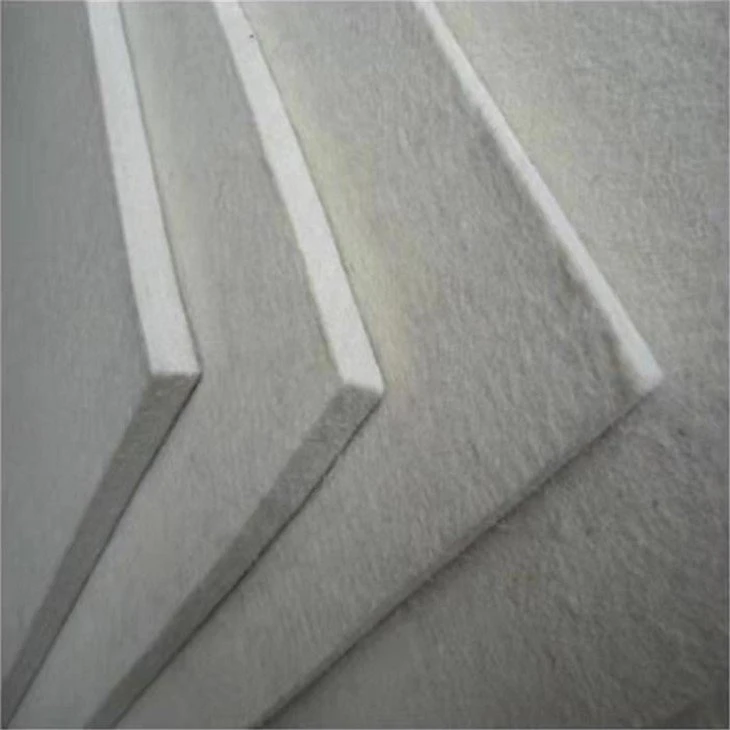

Another great thing about Wool Oil Feed Felt is its flexibility. It can be easily cut and shaped to fit different parts and components. This is really handy in high - precision applications where custom - made parts are often required. Whether it's a small, intricate piece in a watch mechanism or a larger component in a robotic arm, Wool Oil Feed Felt can be tailored to meet the specific needs of the application.
However, it's not all sunshine and rainbows. There are also some challenges when using Wool Oil Feed Felt in high - precision applications. One of the main issues is its sensitivity to environmental conditions. Wool can be affected by humidity and temperature changes. In high - humidity environments, the felt may absorb moisture, which can change its properties and potentially affect its performance. Similarly, extreme temperatures can cause the wool fibers to shrink or expand, leading to dimensional changes that might not be acceptable in high - precision applications.
Another consideration is the potential for contamination. Since Wool Oil Feed Felt is made from natural fibers, it can attract dust and other particles. In high - precision applications where cleanliness is crucial, this can be a problem. For example, in a cleanroom environment used for semiconductor manufacturing, any contamination can lead to defects in the final product. So, extra care needs to be taken to ensure that the Wool Oil Feed Felt is kept clean and free from contaminants.
Now, let's compare Wool Oil Feed Felt with some other types of oil - absorbing felts. We also offer Chemical Fiber Suction Oil Felt and Oil - absorbing Mixed Felt. Chemical Fiber Suction Oil Felt is made from synthetic fibers, which are generally more resistant to environmental conditions compared to wool. They are less likely to be affected by humidity and temperature changes, making them a good choice for applications where stability is a major concern.
On the other hand, Oil - absorbing Mixed Felt combines the properties of both natural and synthetic fibers. This type of felt can offer a balance between the oil - holding capacity of wool and the environmental resistance of synthetic fibers. It might be a good option for high - precision applications where a combination of properties is required.
So, is Wool Oil Feed Felt suitable for high - precision applications? The answer is, it depends. In many cases, it can be a great choice, especially when its natural properties, such as oil - holding capacity and flexibility, are needed. However, careful consideration needs to be given to the specific requirements of the application, including environmental conditions and cleanliness standards.
If you're involved in high - precision applications and are considering using Wool Oil Feed Felt, we'd love to have a chat with you. We can provide more detailed information, samples, and help you determine if it's the right material for your needs. Whether you need a small quantity for a prototype or a large volume for mass production, we're here to assist.
In conclusion, Wool Oil Feed Felt has its pros and cons when it comes to high - precision applications. But with the right understanding and proper handling, it can be a valuable asset in many high - tech industries. So, don't hesitate to reach out if you have any questions or if you're interested in purchasing our Wool Oil Feed Felt.
References
- Industrial Felt Handbook: A comprehensive guide on different types of felts and their applications.
- Journal of Precision Engineering: Articles on the use of materials in high - precision applications.