

What is the abrasion resistance of Paint Line Felt?
Jul 03, 2025
Hey there! As a supplier of Paint Line Felt, I often get asked about the abrasion resistance of our products. So, I thought I'd write a blog post to share some insights on this topic.
First off, let's talk about what abrasion resistance actually means. In simple terms, it's the ability of a material to withstand wear and tear caused by friction. When it comes to Paint Line Felt, abrasion resistance is super important because it's used in processes where it's constantly rubbing against surfaces.
We offer different types of Paint Line Felt, each with its own unique abrasion - resistant properties. Let's start with the Mixed Wool Paint Stripping Felt. This type of felt combines the natural properties of wool with other fibers. Wool is known for its durability and resilience. It has a unique crimped structure that allows it to bounce back after being compressed or rubbed. This means that in a paint - stripping or painting line, the Mixed Wool Paint Stripping Felt can handle a good amount of friction without wearing out too quickly. The other fibers in the mix are carefully selected to enhance specific properties. For example, some synthetic fibers can add extra strength and reduce the risk of felting under high - stress conditions.
Next up is the Chemical Fiber Paint Stripping Felt. Chemical fibers, such as polyester and nylon, are engineered to have high abrasion resistance. Polyester, for instance, is extremely strong and has a low moisture absorption rate. This makes it ideal for paint - line applications where the felt might be exposed to solvents or water - based paints. Nylon is another great choice as it has excellent toughness and can withstand repeated impacts and rubbing. The Chemical Fiber Paint Stripping Felt is often used in high - volume paint lines where the felt needs to work non - stop for long periods. It can maintain its shape and performance even under harsh conditions, which is a huge plus for manufacturers looking to increase productivity.
Then we have the Wool Paint Stripping Felt. Pure wool felt has a long history of being used in industrial applications. It has a soft yet durable nature. The natural lanolin in wool acts as a lubricant, which helps to reduce friction during the paint - stripping or painting process. This not only protects the felt itself but also the surfaces it comes into contact with. Wool Paint Stripping Felt is great for applications where a gentle touch is required, like in the finishing stages of painting. It can pick up paint residues without scratching the surface, thanks to its fine fibers and soft texture.

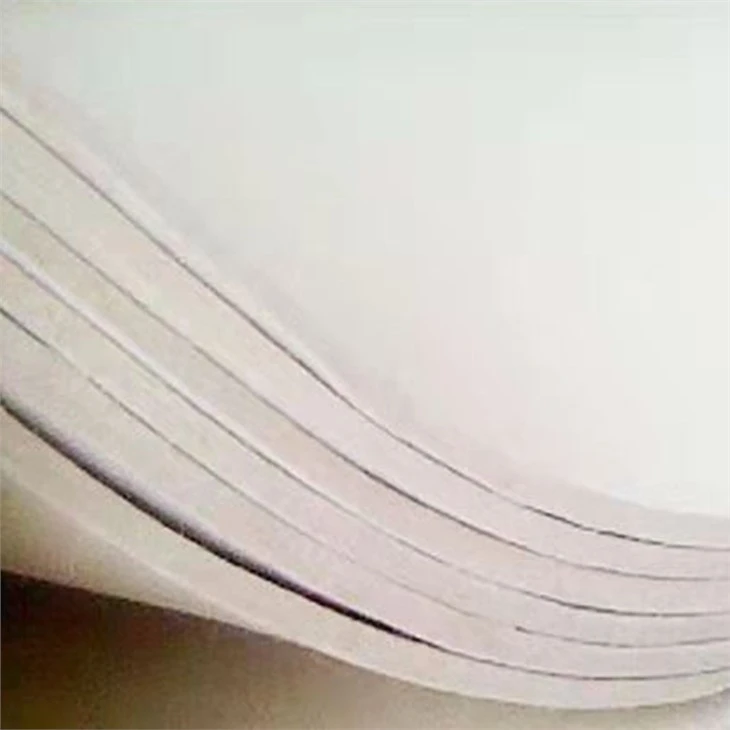
Now, how do we measure the abrasion resistance of our Paint Line Felt? Well, there are a few standard tests. One common method is the Taber abrasion test. In this test, a sample of the felt is placed on a rotating platform and a weighted abrasive wheel is rolled over it for a set number of cycles. After the test, the amount of material lost from the felt is measured. The less material lost, the higher the abrasion resistance. We also use in - house tests that simulate real - world paint - line conditions. We run the felt through our own test rigs, where it's exposed to different types of paints, solvents, and levels of friction. This allows us to fine - tune our manufacturing processes to ensure that our felt meets or exceeds the expectations of our customers.
The abrasion resistance of our Paint Line Felt also depends on how it's maintained. Proper cleaning and storage can significantly extend the life of the felt. For example, if the felt gets clogged with paint residues, it can increase the friction and cause premature wear. So, we recommend regular cleaning using appropriate solvents or detergents. And when it comes to storage, keeping the felt in a dry and cool place can prevent mold growth and damage to the fibers.
In addition to abrasion resistance, there are other factors that can affect the performance of Paint Line Felt. The density of the felt is one of them. A denser felt generally has better abrasion resistance because there are more fibers packed together to withstand the friction. However, it's a balance because a very dense felt might not be as absorbent, which is important in some paint - line applications. The thickness of the felt also plays a role. Thicker felt can last longer in high - friction situations, but it might be more difficult to handle and install in some machines.
Another factor is the surface finish of the felt. A smooth surface finish can reduce friction and make the felt glide more easily over surfaces. On the other hand, a textured surface can provide better grip, which is useful in applications where the felt needs to hold onto paint or debris.
If you're in the market for Paint Line Felt, it's important to choose the right type based on your specific needs. Consider the type of paint you're using, the speed of your paint line, and the level of abrasion your felt will be exposed to. We're here to help you make that decision. Our team of experts has years of experience in the industry and can provide you with detailed advice on which Paint Line Felt is best for your application.
Whether you're a small - scale paint shop or a large - scale manufacturing plant, our Paint Line Felt can offer you the reliability and performance you need. If you're interested in learning more about our products or would like to discuss a specific requirement, don't hesitate to get in touch. We're always happy to have a chat and see how we can help you improve your paint - line processes.
In conclusion, the abrasion resistance of Paint Line Felt is a crucial factor in its performance. Our Mixed Wool Paint Stripping Felt, Chemical Fiber Paint Stripping Felt, and Wool Paint Stripping Felt each offer unique advantages in terms of abrasion resistance and other properties. By understanding how to measure and maintain this property, and by choosing the right type of felt for your needs, you can ensure a smooth and efficient paint - line operation. So, if you're looking for high - quality Paint Line Felt with excellent abrasion resistance, give us a shout. We're ready to assist you in finding the perfect solution for your business.
References
- ASTM International. (Year). Standard test methods for abrasion resistance of textile fabrics (Taber abrader method). ASTM D3884.
- Industrial Felt Association. (Year). Best practices for testing and evaluating industrial felt properties.