

What is the fatigue resistance of insulating felt?
Nov 06, 2025
Hey there! As a supplier of insulating felt, I often get asked about the fatigue resistance of this amazing product. So, I thought I'd take a few minutes to break it down for you and explain what it means, why it matters, and how it affects the performance of insulating felt in various applications.

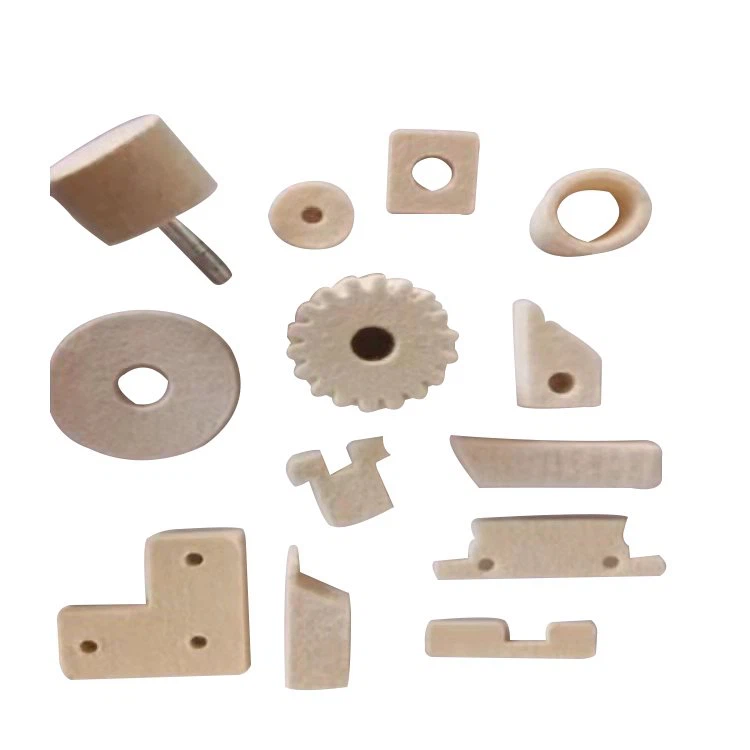
First things first, let's talk about what fatigue resistance actually is. In simple terms, fatigue resistance refers to a material's ability to withstand repeated loading and unloading cycles without failing or experiencing significant degradation. When it comes to insulating felt, this means that the felt can maintain its insulating properties and structural integrity over time, even when it's subjected to constant stress and strain.
Why is fatigue resistance important for insulating felt? Well, in many industrial and commercial applications, insulating felt is used in environments where it's exposed to a lot of movement, vibration, and mechanical stress. For example, in automotive engines, insulating felt is used to reduce noise and vibration, as well as to provide thermal insulation. In this type of application, the felt is constantly being compressed and expanded as the engine runs, which can cause it to wear out over time if it doesn't have good fatigue resistance.
Similarly, in HVAC systems, insulating felt is used to line ducts and pipes to prevent heat loss and improve energy efficiency. In this case, the felt is exposed to air flow and pressure changes, which can also cause it to degrade if it's not fatigue-resistant. By choosing an insulating felt with high fatigue resistance, you can ensure that it will last longer and perform better in these types of applications.
So, how do you measure the fatigue resistance of insulating felt? There are several methods that can be used, but one of the most common is the ASTM D395 test, which measures the compression set of a material. Compression set is the amount of permanent deformation that a material experiences after being compressed for a certain period of time. A lower compression set indicates better fatigue resistance, as it means that the material is able to recover its original shape and properties after being compressed.
Another important factor to consider when evaluating the fatigue resistance of insulating felt is its composition. Different types of insulating felt are made from different materials, such as wool, synthetic fibers, or a combination of both. Each material has its own unique properties and characteristics, which can affect its fatigue resistance. For example, wool is a natural fiber that has excellent resilience and elasticity, which makes it a good choice for insulating felt that needs to withstand repeated compression and expansion. Synthetic fibers, on the other hand, can be engineered to have specific properties, such as high strength and durability, which can also improve the fatigue resistance of insulating felt.
At our company, we offer a wide range of insulating felt products that are designed to meet the needs of different applications. Our Insulated Mixed Felt is a versatile product that combines the benefits of wool and synthetic fibers to provide excellent insulation and fatigue resistance. It's suitable for use in a variety of industries, including automotive, HVAC, and aerospace.
If you're looking for a more traditional option, our Pure Wool Insulation Felt is made from 100% natural wool, which gives it excellent thermal insulation properties and a soft, comfortable feel. It's also highly resistant to fire and moisture, making it a great choice for applications where safety and durability are important.
For industrial applications that require high strength and durability, our Pure Wool Industrial Felt is a great option. It's made from high-quality wool fibers that are tightly packed together to provide excellent resistance to wear and tear. It's also available in a variety of thicknesses and densities to meet the specific needs of your application.
In conclusion, the fatigue resistance of insulating felt is an important factor to consider when choosing a product for your application. By understanding what fatigue resistance is, why it matters, and how it's measured, you can make an informed decision and choose an insulating felt that will provide long-lasting performance and reliability. If you have any questions or need help choosing the right product for your needs, please don't hesitate to contact us. We're here to help you find the best solution for your application.
References
- ASTM International. (n.d.). ASTM D395 - 16a: Standard Test Methods for Rubber Property - Compression Set. Retrieved from ASTM website.
- Various industry reports on insulating materials and their performance in different applications.