

What is the shear strength of Insulated Mixed Felt?
Sep 26, 2025
Hey there! As a supplier of Insulated Mixed Felt, I've been getting a lot of questions lately about its shear strength. So, I thought I'd take a moment to break it down for you all.
First off, let's talk about what shear strength actually means. In simple terms, shear strength is the ability of a material to resist forces that cause its layers to slide past one another. Think of it like trying to pull two pieces of paper apart when they're stuck together with glue. The stronger the glue (or the material's shear strength), the harder it is to separate the papers.
Now, when it comes to Insulated Mixed Felt, its shear strength is a crucial factor, especially in industrial applications. This type of felt is commonly used in insulation, gasketing, and other areas where it needs to maintain its integrity under stress.
One of the things that affects the shear strength of Insulated Mixed Felt is its composition. The felt is typically made up of a blend of different fibers, which can include wool, synthetic fibers, or a combination of both. The type and ratio of these fibers play a big role in determining the felt's overall strength.
For instance, Pure Wool Insulation Felt has its own unique properties. Wool fibers are known for their natural elasticity and resilience, which can contribute to a certain level of shear strength. They can also absorb and release moisture, which can be beneficial in some applications. On the other hand, synthetic fibers can offer different advantages, such as resistance to chemicals and heat.
The manufacturing process also has a significant impact on the shear strength of Insulated Mixed Felt. During production, the fibers are compressed and bonded together. The pressure and temperature used in this process can affect how tightly the fibers are held together, and thus, the felt's shear strength. A well - manufactured felt will have a uniform distribution of fibers and a strong bond, resulting in better shear resistance.
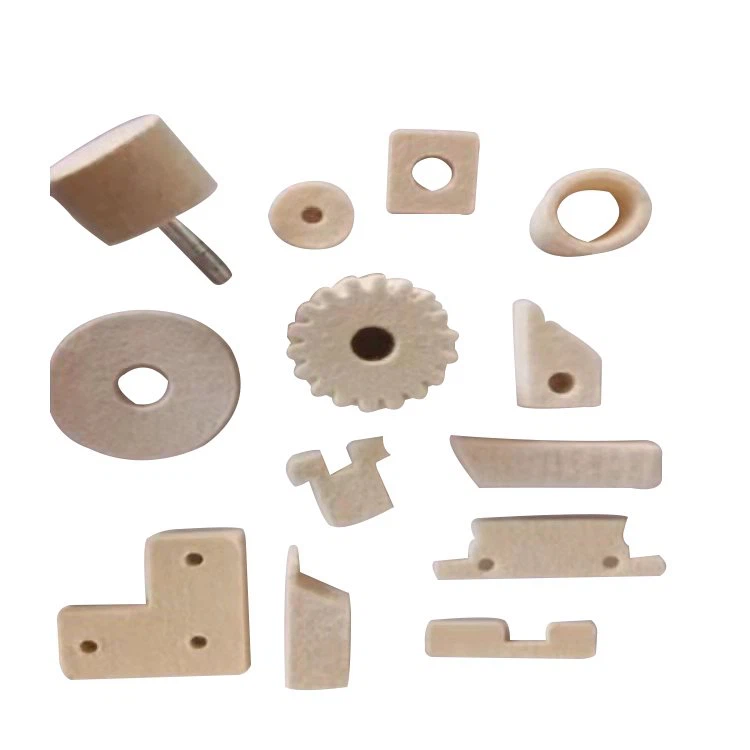

Another factor to consider is the thickness of the Insulated Mixed Felt. Generally, thicker felt tends to have higher shear strength. This is because there are more fibers available to resist the shearing forces. However, it's important to note that thickness isn't the only determinant. The quality of the fibers and the manufacturing process still play crucial roles.
In industrial settings, Insulated Mixed Felt is often subjected to various types of loads and stresses. For example, in a machinery application, the felt might be used as a gasket between two moving parts. It needs to withstand the vibrations and pressures generated by the machinery without tearing or losing its shape. A high shear strength ensures that the felt can perform its function effectively over an extended period.
Let's also talk about how we test the shear strength of Insulated Mixed Felt. There are several standard testing methods available. One common method involves applying a controlled shear force to a sample of the felt until it fails. The force at which the felt fails is then recorded as its shear strength. These tests are usually carried out in a laboratory setting using specialized equipment to ensure accurate results.
As a supplier, I understand the importance of providing high - quality Insulated Mixed Felt with reliable shear strength. That's why we pay close attention to every step of the production process, from selecting the right fibers to using the optimal manufacturing parameters. We also conduct regular quality checks to ensure that our felt meets or exceeds industry standards.
If you're in the market for Insulated Mixed Felt, it's essential to consider your specific application requirements. Different industries have different needs when it comes to shear strength. For example, the requirements for a felt used in a low - stress environment like a home insulation project will be different from those for a felt used in a heavy - duty industrial machine.
We also offer Pure Wool Industrial Felt, which can be a great option depending on your needs. Its natural properties make it suitable for a variety of applications, and we can customize it to meet your specific shear strength requirements.
In conclusion, the shear strength of Insulated Mixed Felt is a complex but important characteristic. It's influenced by factors such as composition, manufacturing process, and thickness. As a supplier, we're committed to providing you with the best - quality felt that meets your shear strength needs. Whether you're looking for insulation, gasketing, or other applications, we've got you covered.
If you're interested in learning more about our Insulated Mixed Felt or have any questions regarding shear strength and its suitability for your project, don't hesitate to reach out. We're here to help you make the right choice for your business. Let's start a conversation and see how we can work together to meet your insulation and industrial felt needs.
References
- ASTM International standards for testing the shear strength of industrial felts
- Textile research journals on the properties of wool and synthetic fibers in felt manufacturing