

What is the tensile strength of packaging mats?
May 14, 2025
Tensile strength is a critical property when it comes to packaging mats. As a packaging mat supplier, understanding the tensile strength of our products is essential for ensuring that they can effectively protect goods during storage and transportation. In this blog, we will delve into what tensile strength is, how it is measured, and the tensile strength characteristics of different types of packaging mats we offer, such as Bamboo Fiber Packaging Mat, Chemical Fiber Packing Pad, and Wool Packing Pad.
What is Tensile Strength?
Tensile strength refers to the maximum amount of tensile stress that a material can withstand before it breaks or fails under tension. In the context of packaging mats, it is the measure of how much pulling force the mat can endure without tearing or separating. When packaging goods, especially those that are heavy or irregularly shaped, the packaging mat needs to have sufficient tensile strength to hold up under the pressure and forces exerted during handling, stacking, and shipping.
Measuring Tensile Strength
The tensile strength of packaging mats is typically measured using a testing machine. A sample of the mat is cut into a specific shape, usually a rectangular strip, and then placed in the grips of the testing machine. The machine gradually applies a pulling force to the sample at a constant rate until it breaks. The maximum force applied at the point of failure is recorded, and the tensile strength is calculated by dividing this force by the cross - sectional area of the sample.
The units of tensile strength are usually expressed in Pascals (Pa) or pounds per square inch (psi). In the packaging industry, it is common to use metric units such as kilonewtons per square meter (kN/m²).
Tensile Strength of Different Packaging Mats
Bamboo Fiber Packaging Mat
Bamboo fiber is a natural and sustainable material that has gained popularity in the packaging industry. Bamboo fiber packaging mats have relatively good tensile strength due to the long and strong fibers of bamboo. The natural structure of bamboo fibers provides a certain degree of resistance to pulling forces.
The tensile strength of bamboo fiber packaging mats can vary depending on factors such as the quality of the bamboo, the manufacturing process, and the thickness of the mat. Generally, well - made bamboo fiber packaging mats can have a tensile strength ranging from 5 kN/m² to 15 kN/m². This level of tensile strength makes them suitable for packaging medium - weight items, such as wooden furniture parts or small electronics.
The advantage of bamboo fiber packaging mats in terms of tensile strength is that they are not only strong but also environmentally friendly. They can be recycled or composted after use, reducing the environmental impact compared to some synthetic packaging materials.

Chemical Fiber Packing Pad
Chemical fiber packing pads are made from synthetic fibers such as polyester, polypropylene, or nylon. These materials can be engineered to have a wide range of properties, including high tensile strength.
Polyester fiber packing pads, for example, can have excellent tensile strength. They can withstand high pulling forces and are often used for packaging heavy - duty items. The tensile strength of polyester chemical fiber packing pads can be as high as 20 kN/m² or more, depending on the fiber density and the manufacturing process.
Polypropylene fiber packing pads also offer good tensile strength and are known for their light weight and chemical resistance. They are suitable for packaging items that require protection from moisture and chemicals. Their tensile strength usually ranges from 10 kN/m² to 18 kN/m².
The high tensile strength of chemical fiber packing pads makes them ideal for applications where the packaging needs to withstand significant stress, such as in the automotive or industrial equipment packaging.
Wool Packing Pad
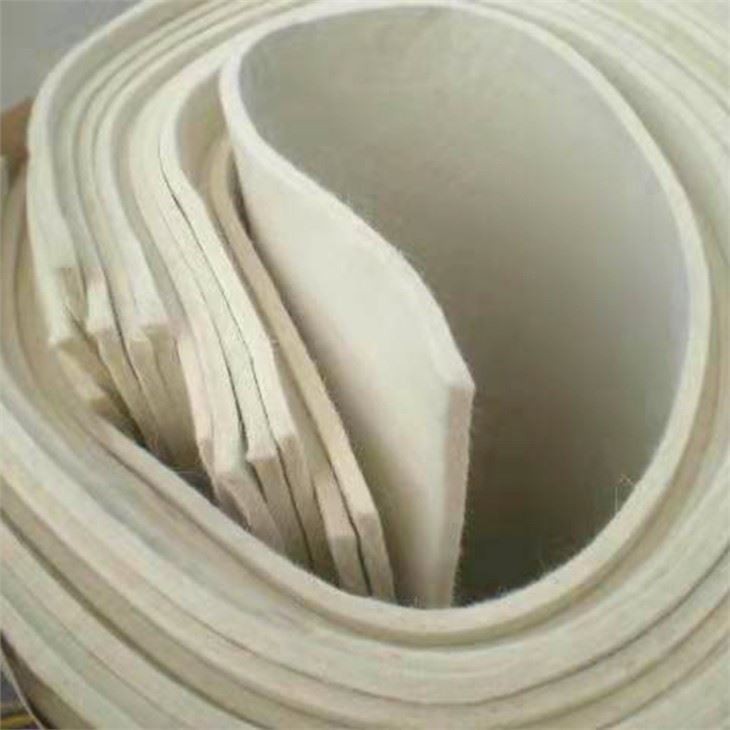
Wool is a natural fiber with unique properties. Wool packing pads have a certain level of tensile strength, although it is generally lower than that of some chemical fiber packing pads. The natural crimp and elasticity of wool fibers give the packing pads some resistance to pulling forces.
The tensile strength of wool packing pads typically ranges from 3 kN/m² to 8 kN/m². While this may seem relatively low compared to some other materials, wool has other advantages. It is a soft and flexible material that can conform to the shape of the packaged item, providing good cushioning. It also has natural fire - resistant and moisture - wicking properties.
Wool packing pads are often used for packaging delicate or high - value items such as glassware, antiques, or musical instruments, where the focus is more on cushioning and protection rather than extremely high tensile strength.
Factors Affecting Tensile Strength
Several factors can affect the tensile strength of packaging mats:
Fiber Quality
The quality of the fibers used in the packaging mat is crucial. Higher - quality fibers, whether natural or synthetic, generally have better strength characteristics. For example, in bamboo fiber packaging mats, using mature and healthy bamboo will result in stronger fibers and a higher - tensile - strength mat.
Manufacturing Process
The way the packaging mat is manufactured can also impact its tensile strength. Processes such as weaving, bonding, or felting can affect how the fibers are arranged and held together. A well - executed manufacturing process can ensure that the fibers are properly aligned and bonded, maximizing the tensile strength of the mat.

Thickness and Density
Thicker and denser packaging mats tend to have higher tensile strength. A greater number of fibers in a given area can distribute the pulling force more evenly and provide more resistance to breakage. However, increasing the thickness and density also increases the cost and weight of the packaging mat, so a balance needs to be struck based on the specific packaging requirements.
Importance of Tensile Strength in Packaging
Tensile strength is of utmost importance in packaging for several reasons:
Product Protection
A packaging mat with sufficient tensile strength can prevent the packaged item from being damaged during handling and transportation. If the mat tears or breaks under the applied forces, the item inside may be exposed to impacts, scratches, or other forms of damage.
Stacking and Storage
When goods are stacked in warehouses or during shipping, the packaging mats need to support the weight of the upper layers. Adequate tensile strength ensures that the mats do not collapse or deform, maintaining the integrity of the stack and preventing damage to the goods.

Handling and Manipulation
During the loading and unloading process, packaging mats are often subjected to pulling and stretching forces. A high - tensile - strength mat can withstand these forces without tearing, making the handling process more efficient and reducing the risk of product damage.
Conclusion
In conclusion, tensile strength is a key property of packaging mats, and different types of packaging mats, such as Bamboo Fiber Packaging Mat, Chemical Fiber Packing Pad, and Wool Packing Pad, have different tensile strength characteristics. As a packaging mat supplier, we understand the importance of providing products with appropriate tensile strength to meet the diverse needs of our customers.
Whether you are packaging light - weight, delicate items or heavy - duty industrial equipment, choosing the right packaging mat with the suitable tensile strength is crucial. We are committed to offering high - quality packaging mats that not only have the required tensile strength but also meet other performance and environmental requirements.
If you are interested in our packaging mats or have any questions about their tensile strength and suitability for your packaging needs, please feel free to contact us for procurement and negotiation. We look forward to working with you to find the best packaging solutions.
References
- ASTM International. (2023). Standard Test Methods for Tensile Properties of Textile Fabrics. ASTM D5034 - 19.
- Packaging Machinery Manufacturers Institute. (2022). Handbook of Packaging Engineering.
- Textile Institute. (2021). Textile Materials and Their Applications.