

What is the water absorption rate of suction linoleum?
Sep 25, 2025
Hey there! As a supplier of suction linoleum, I often get asked about the water absorption rate of this product. It's a super important question, especially for those who are looking to use suction linoleum in various applications. So, let's dive right in and explore what the water absorption rate of suction linoleum is all about.
First off, what exactly is suction linoleum? Well, it's a type of material that's designed to absorb liquids, whether it's water, oil, or other substances. It's commonly used in industrial settings, like factories and workshops, to clean up spills and keep the floors dry and safe. But it can also be used in other places, like kitchens, bathrooms, and even in some automotive applications.
Now, the water absorption rate of suction linoleum can vary depending on a few different factors. One of the main factors is the type of material the suction linoleum is made from. There are different types of suction linoleum out there, including Oil-absorbing Mixed Felt, Wool Oil Feed Felt, and Chemical Fiber Suction Oil Felt. Each of these materials has its own unique properties and characteristics, which can affect how well it absorbs water.
For example, wool-based suction linoleum tends to have a pretty high water absorption rate. Wool is a natural fiber that's known for its ability to absorb moisture. It can hold a significant amount of water without feeling wet or soggy. This makes it a great choice for applications where you need to soak up a lot of water quickly.
On the other hand, chemical fiber suction linoleum may have a different water absorption rate. Chemical fibers can be engineered to have specific properties, and some may be more or less absorbent than others. Some chemical fiber suction linoleum may be designed to be more resistant to water, while others may be optimized for high water absorption.
Another factor that can affect the water absorption rate is the density of the suction linoleum. Generally speaking, a denser material will have a lower water absorption rate because there are fewer spaces for the water to penetrate. A less dense material, on the other hand, will have more gaps and pores, allowing water to be absorbed more easily.
The thickness of the suction linoleum also plays a role. Thicker suction linoleum will typically be able to absorb more water than thinner ones. However, it's important to note that thicker doesn't always mean better. In some cases, a thinner but more absorbent material may be more suitable for your needs.

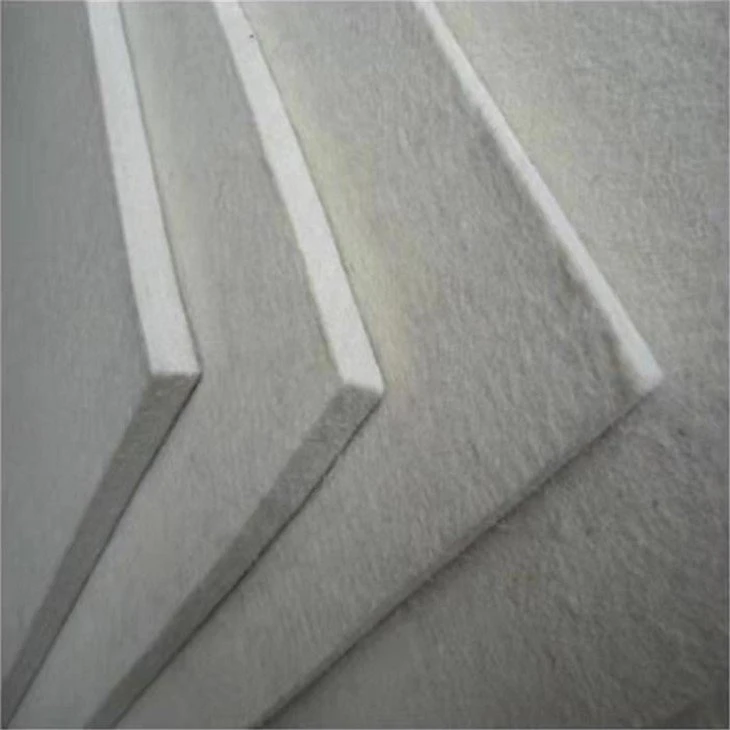
So, how do we measure the water absorption rate of suction linoleum? Well, there are a few different methods. One common way is to take a sample of the suction linoleum, weigh it, then soak it in water for a specific period of time. After that, we take it out, let it drain for a bit, and then weigh it again. The difference in weight before and after soaking gives us an idea of how much water the suction linoleum has absorbed.
Let's say we have a sample of wool suction linoleum that weighs 100 grams before soaking. After soaking it in water for an hour and then letting it drain for 15 minutes, we find that it now weighs 150 grams. That means it has absorbed 50 grams of water. We can then calculate the water absorption rate as a percentage by dividing the amount of water absorbed (50 grams) by the original weight (100 grams) and multiplying by 100. In this case, the water absorption rate would be 50%.
It's important to keep in mind that the water absorption rate can also be affected by the conditions under which the suction linoleum is used. For example, if the water is very cold or very hot, it may affect how quickly the suction linoleum absorbs the water. Also, if the water has a lot of impurities or chemicals in it, that can also impact the absorption rate.
In industrial applications, knowing the water absorption rate of suction linoleum is crucial. For instance, in a factory where there are frequent water spills, you'll want a suction linoleum with a high water absorption rate to clean up the spills quickly and efficiently. This can help prevent accidents and keep the work environment safe.
In a kitchen or bathroom setting, the water absorption rate is also important. You want a suction linoleum that can soak up water from wet floors to prevent slipping. And if you're using it in an automotive application, like in a car wash or a garage, a good water absorption rate will help keep the area dry and clean.
As a supplier of suction linoleum, I understand that different customers have different needs. That's why we offer a variety of suction linoleum products, each with its own unique water absorption rate and other properties. Whether you need a high-absorbency wool-based suction linoleum or a more water-resistant chemical fiber option, we've got you covered.
If you're in the market for suction linoleum and want to know more about the water absorption rate of our products, feel free to reach out to us. We can provide you with detailed information and samples so you can test the products for yourself. We're here to help you find the perfect suction linoleum for your specific application.
In conclusion, the water absorption rate of suction linoleum is an important factor to consider when choosing the right product for your needs. It can vary depending on the type of material, density, thickness, and other factors. By understanding these factors and how they affect the water absorption rate, you can make an informed decision and select the best suction linoleum for your situation. So, if you're looking for high-quality suction linoleum, don't hesitate to contact us and start a conversation about your requirements.
References
- General knowledge about industrial materials and their properties.
- Industry standards and guidelines for measuring water absorption rates of felt materials.