

What type of glue is best for wool bonded felt?
Dec 26, 2025
When it comes to working with wool bonded felt, finding the right glue is crucial. As a supplier of high - quality wool bonded felt, I've seen firsthand the difference that the right adhesive can make. In this blog, I'll share my insights on the best types of glue for wool bonded felt, based on my years of experience in the industry.
Understanding Wool Bonded Felt
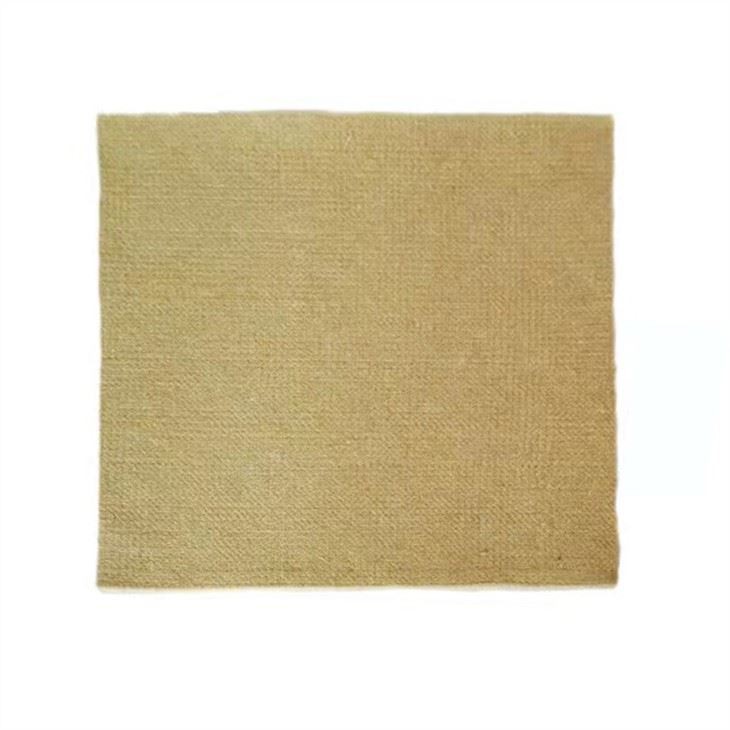
Before we dive into the glue options, let's briefly talk about wool bonded felt. Wool bonded felt is made by compressing wool fibers together using heat, pressure, or a bonding agent. It's a versatile material, used in a wide range of applications, from crafts and DIY projects to industrial and commercial uses. It has great insulating properties, is soft and flexible, and has a natural look and feel.
Types of Glue for Wool Bonded Felt
Fabric Glue
Fabric glue is a popular choice for bonding wool bonded felt. It's designed to work specifically with fabrics, which means it adheres well to the wool fibers. Most fabric glues are flexible, so they won't break or crack when the felt is bent or moved. This is super important, especially if you're using the felt in projects that require flexibility, like making stuffed animals or clothing.
One of the advantages of fabric glue is that it dries clear. This means that it won't show up on your finished project, keeping the natural beauty of the wool bonded felt intact. It's also easy to use. You just apply the glue to one surface, press the two pieces of felt together, and hold them in place for a short time until the glue sets.
However, fabric glue might not be the best option for heavy - duty applications. If your project will be exposed to a lot of stress or wear and tear, the bond created by fabric glue might not hold up over time.
Hot Glue
Hot glue is another option for bonding wool bonded felt. It's quick and easy to use. All you need is a hot glue gun, and you can start bonding the felt right away. Hot glue creates a strong, durable bond, making it suitable for projects that need to withstand a bit of rough handling.
The bond forms almost instantly, which means you don't have to wait for the glue to dry. This is great if you're in a hurry to finish your project. But there are some downsides. Hot glue can be a bit messy to work with. The melted glue can drip and splatter, and it can be difficult to clean up if it gets on your hands or work surface.
Also, hot glue can be quite stiff once it dries. This can make the felt less flexible, which might not be ideal for some projects. And if you're working with delicate wool bonded felt, the heat from the glue gun could potentially damage the fibers.
Epoxy Resin
Epoxy resin is a strong and long - lasting adhesive option. It consists of two parts: a resin and a hardener. When you mix these two parts together, a chemical reaction occurs, creating a strong bond. Epoxy resin is great for bonding wool bonded felt in high - stress applications. It can withstand a lot of weight, pressure, and movement without losing its bond.
The bond created by epoxy resin is also waterproof, which means it's suitable for projects that might get wet. However, working with epoxy resin can be a bit tricky. You need to be very careful when mixing the two parts in the right proportion. If the ratio is off, the epoxy might not cure properly.
It also takes longer to dry compared to fabric glue or hot glue. You'll need to wait for the epoxy to fully cure before you can handle your project. And epoxy resin can be quite expensive compared to other types of glue.
Contact Cement
Contact cement is a type of adhesive that creates a very strong bond when two surfaces coated with it are pressed together. It's often used in industrial applications, but it can also be great for wool bonded felt projects. Once the contact cement dries on both surfaces, you just need to press the two pieces of felt together, and the bond is almost instant.

Contact cement provides a strong, permanent bond, and it can handle a lot of stress. But it's important to note that contact cement has a strong odor, and it's highly flammable. You need to use it in a well - ventilated area and follow all safety precautions.
Factors to Consider When Choosing Glue
Project Requirements
The first thing you need to consider is the requirements of your project. If it's a simple craft project, like making a small wall hanging, fabric glue might be sufficient. But if you're creating something that will be used in a high - stress environment, like a machine part made from felt, epoxy resin or contact cement might be a better choice.
Drying Time
Drying time can be a crucial factor, especially if you're on a tight schedule. Hot glue dries almost instantly, while epoxy resin can take several hours or even days to fully cure.
Flexibility
If your project requires the felt to be flexible, you'll want to choose a glue that won't make the felt stiff. Fabric glue is a good choice in this case, as it remains flexible after drying.
Appearance
If the appearance of the glue on the felt is important, go for a glue that dries clear. Fabric glue is a popular option for this reason, as it won't leave any visible marks on the felt.
Other Related Felt Products
If you're interested in different types of felt, we also offer Chemical Fiber Bonded Felt, Wool Synthetic Felt, and Bamboo Fiber Bonded Felt. These products have their own unique properties and are suitable for various applications.
Conclusion
Choosing the best glue for wool bonded felt depends on your specific project requirements. Whether you go for fabric glue, hot glue, epoxy resin, or contact cement, make sure to consider the factors like drying time, flexibility, and appearance. As a supplier of wool bonded felt, I understand the importance of getting the right materials for your projects.
If you're interested in purchasing wool bonded felt or have any questions about which glue would be best for your application, feel free to reach out. We're here to help you make the right choices and ensure the success of your projects.
References
- "Adhesives for Textiles" - Textile Institute Publications
- "Felt Manufacturing Handbook" - Felt Industry Association