

Will suction linoleum damage the original floor?
Sep 08, 2025
Hey there! As a supplier of suction linoleum, I often get asked one question: "Will suction linoleum damage the original floor?" Well, let's dive right into this topic and clear up any confusion.
First off, let's understand what suction linoleum is. Suction linoleum is a type of flooring material that has a unique suction - based installation system. It's designed to be easy to install and remove, which makes it a popular choice for both residential and commercial spaces. There are different types of suction linoleum, like Oil - absorbing Mixed Felt, Wool Oil Feed Felt, and Chemical Fiber Suction Oil Felt. Each type has its own properties and uses, but they all share the suction feature.
Now, let's talk about the potential for damage to the original floor. The answer isn't a simple yes or no. It depends on several factors.
1. The condition of the original floor
If your original floor is in good condition, with a smooth and even surface, the chances of damage from suction linoleum are relatively low. For example, a well - maintained hardwood floor or a newly installed tile floor can usually handle the suction force without issues. The suction linoleum adheres to the floor gently, and when it's time to remove it, it can be lifted off without leaving major marks.
However, if the original floor has existing damage, like cracks, chips, or unevenness, the suction linoleum might cause problems. The suction can put extra stress on these weak areas. For instance, in a cracked tile floor, the suction force could potentially widen the cracks or cause the tile to break further. So, it's always a good idea to assess the condition of your floor before installing suction linoleum.
2. The quality of the suction linoleum
Not all suction linoleum is created equal. High - quality suction linoleum is designed to be gentle on floors. It has a proper suction mechanism that provides a secure hold without being overly aggressive. The materials used in its construction are also less likely to leave residue or cause damage.
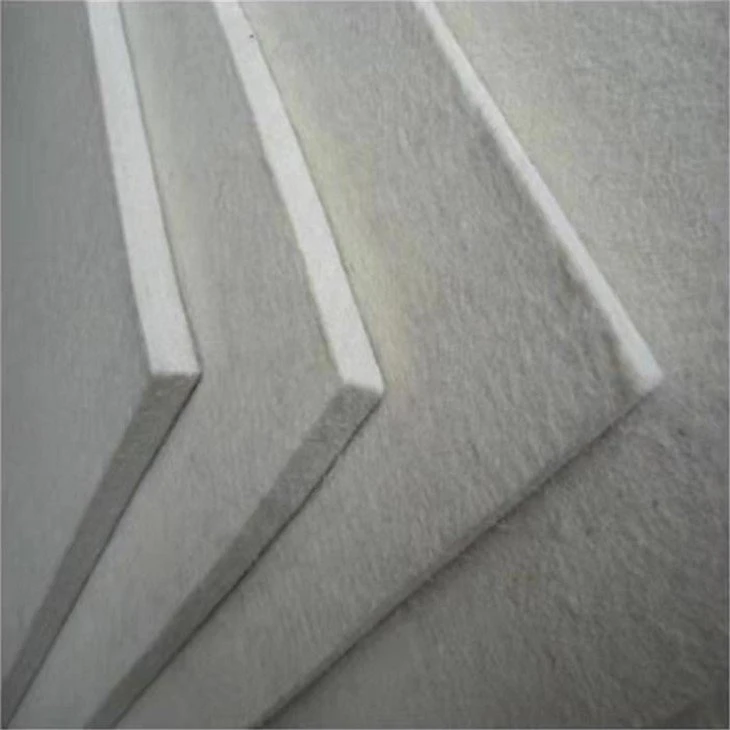

On the other hand, low - quality suction linoleum might have a too - strong suction force or be made from cheap materials. This can lead to problems. For example, the adhesive used in some low - end suction linoleum might leave a sticky residue on the original floor when removed. And if the suction is too strong, it could pull up small pieces of the floor surface, especially if it's a softer material like vinyl or laminate.
3. Installation and removal process
The way you install and remove suction linoleum can also affect the original floor. When installing, it's important to follow the manufacturer's instructions carefully. Make sure the floor is clean and dry before laying the linoleum. Any dirt or moisture between the linoleum and the floor can create air pockets, which might cause uneven suction and potentially damage the floor over time.
During removal, a proper technique is crucial. You should lift the linoleum slowly and evenly. If you try to yank it off quickly, you're more likely to cause damage to the original floor. For example, in a parquet floor, a sudden pull could dislodge the small wooden pieces.
4. Length of time the linoleum is installed
The longer the suction linoleum stays on the floor, the more potential there is for damage. Over time, the suction force can cause a slight indentation on softer floors. For example, if you leave suction linoleum on a vinyl floor for several years, you might notice some faint marks where the linoleum was attached.
However, this doesn't mean you can't use suction linoleum for an extended period. Just be aware of the potential and take precautions. You can periodically lift the linoleum and check the floor underneath to make sure there are no signs of damage.
How to minimize the risk of damage
If you're still worried about damaging your original floor, here are some tips:
- Prepare the floor: Clean the floor thoroughly before installation. Use a mild cleaner to remove any dirt, grease, or debris. This will ensure a better and more even suction.
- Choose high - quality linoleum: Invest in a good - quality suction linoleum. It might cost a bit more upfront, but it can save you a lot of headaches in the long run.
- Use a protective layer: For very delicate floors, you can consider using a thin protective layer between the suction linoleum and the original floor. This can act as a buffer and reduce the risk of damage.
- Follow proper installation and removal procedures: As mentioned earlier, follow the manufacturer's instructions carefully. Take your time during both installation and removal.
In most cases, when all these factors are taken into account, suction linoleum can be a great option without causing significant damage to the original floor. It offers a lot of benefits, such as easy installation, cost - effectiveness, and a wide range of design options.
If you're considering using suction linoleum for your space, whether it's a home renovation or a commercial project, I'd be more than happy to help. We offer a variety of high - quality suction linoleum products, including Oil - absorbing Mixed Felt, Wool Oil Feed Felt, and Chemical Fiber Suction Oil Felt. Our team can provide you with more information and guidance on choosing the right product for your needs. Don't hesitate to reach out for purchasing and further discussions.
References
- "Flooring Installation Guide", Flooring Manufacturers Association
- "The Science of Suction in Flooring Materials", Journal of Building Materials Research