

Are packaging mats resistant to oil and grease?
Aug 19, 2025
Hey there! As a supplier of Packaging Mats, I often get asked if our mats are resistant to oil and grease. It's a super important question, especially for industries that deal with oily or greasy products. In this blog, I'm gonna break down the oil and grease resistance of different types of packaging mats we offer and give you the lowdown on how they perform.
First off, let's talk about the materials. We have a few different kinds of packaging mats, each with its own unique properties. There's the Bamboo Fiber Packaging Mat, the Chemical Fiber Packing Pad, and the Wool Packing Pad.
Bamboo Fiber Packaging Mat
Bamboo fiber is a natural material that's been gaining popularity in recent years. It's known for being eco - friendly and having some pretty good absorbent properties. When it comes to oil and grease resistance, bamboo fiber mats do okay.
Bamboo has a natural structure that can trap some oil and grease. The fibers have small pores that can hold onto the oily substances to a certain extent. However, it's not completely impervious. If you've got a large amount of oil or grease, the mat will absorb it up to its capacity, but eventually, it might start to seep through.
In a light - oil environment, like in a small workshop where there's just a bit of oil splatter from machinery, the bamboo fiber mat can be a great choice. It'll keep the area clean and prevent the oil from spreading. But in a heavy - duty industrial setting with lots of oil and grease, you might need to replace the mat more frequently.
Chemical Fiber Packing Pad
Chemical fiber packing pads are made from synthetic materials. These mats are designed to be tough and can offer better oil and grease resistance compared to bamboo fiber mats in many cases.
The chemical fibers are engineered to have specific properties. They can be treated to be hydrophobic, which means they repel water and also have a good resistance to oil and grease. The tightly woven structure of these mats makes it harder for the oily substances to penetrate.
In an automotive repair shop, for example, where there's a constant presence of motor oil, transmission fluid, and other greasy substances, chemical fiber packing pads can be very effective. They can withstand a large amount of oil and grease without quickly getting saturated. The oil and grease tend to stay on the surface of the mat, making it easier to clean. You can just wipe off the excess oil, and the mat can be reused multiple times.
However, one drawback of chemical fiber pads is that they're not as environmentally friendly as bamboo fiber mats. But if oil and grease resistance is your top priority, they're a solid option.
Wool Packing Pad
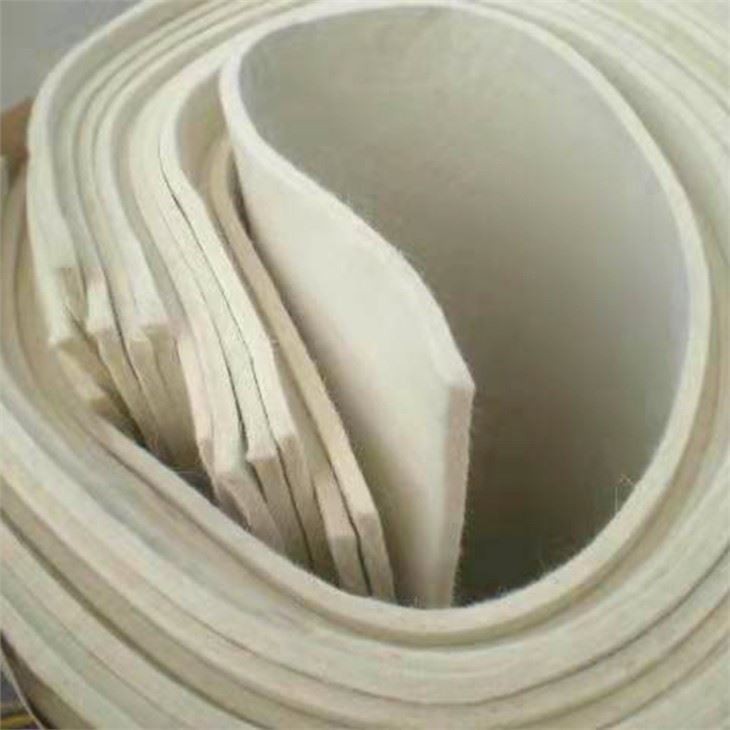
Wool is a natural fiber that has been used for a long time in various applications. Wool packing pads have their own unique characteristics when it comes to oil and grease resistance.
Wool has a natural lanolin coating on its fibers. Lanolin is a waxy substance that gives wool some level of oil - and - water - repellent properties. This means that the wool packing pad can resist small amounts of oil and grease quite well.
The fibers in wool are curly and form a dense network. This network can trap the oil and grease within the mat, preventing it from spreading. In a food processing plant where there might be some grease from cooking or food handling, a wool packing pad can be a good choice. It can absorb the grease and also has a pleasant, natural look.
But just like bamboo fiber mats, wool has its limits. If there's a large volume of oil or grease, the mat will eventually become saturated. And if the oil is left on the wool for too long, it can break down the lanolin coating over time, reducing the mat's resistance.
In a restaurant kitchen, for instance, if there's a spill of cooking oil, the wool mat can handle it initially, but you'll need to clean it properly to maintain its oil - resistance properties.
Factors Affecting Oil and Grease Resistance
There are a few other factors that can affect how well a packaging mat resists oil and grease.
- Thickness: Thicker mats generally have better oil and grease resistance. A thicker mat has more material to absorb or hold onto the oily substances. For example, a thick chemical fiber packing pad will be able to handle more oil than a thin one.
- Density of the fibers: Mats with a higher fiber density are better at resisting oil and grease penetration. The closer the fibers are to each other, the harder it is for the oil and grease to get through.
- Surface treatment: Some mats can be treated with special chemicals to enhance their oil and grease resistance. This can make a big difference, especially in chemical fiber mats.
Testing the Mats
We always recommend testing the mats in your specific environment before making a large - scale purchase. You can get small samples of each type of mat and expose them to the oil and grease conditions in your workplace.
For example, if you're in a manufacturing plant, you can place the samples near the machinery where the oil and grease are most likely to be present. Observe how well they absorb or resist the substances over a period of time. This will give you a real - world idea of which mat is the best fit for your needs.
Conclusion
So, are packaging mats resistant to oil and grease? The answer is yes, but to different degrees depending on the type of mat. Bamboo fiber mats are good for light - oil situations and are eco - friendly. Chemical fiber packing pads offer excellent resistance in heavy - duty oil and grease environments but are less green. Wool packing pads have a natural resistance and can work well in medium - oil settings.

If you're looking for a packaging mat for your business, consider your specific needs. Think about the amount of oil and grease in your environment, your budget, and your environmental concerns. And if you've got any questions or want to discuss which mat is right for you, don't hesitate to reach out. We're here to help you find the perfect packaging mat solution for your oil and grease management needs. Let's start a conversation and see how we can work together to keep your workplace clean and safe!
References
- "Textile Materials and Their Properties" - A general textbook on textile materials that provides information on the properties of bamboo, chemical fibers, and wool.
- Industry reports on the use of packaging mats in different sectors such as automotive, food processing, and manufacturing.