

How do wool packing pads compare to air pillows for packing?
Aug 18, 2025
Hey there! I'm a supplier of Wool Packing Pads, and I often get asked how these pads stack up against air pillows when it comes to packing. So, I thought I'd break it down for you in this blog post.
The Basics of Packing Materials
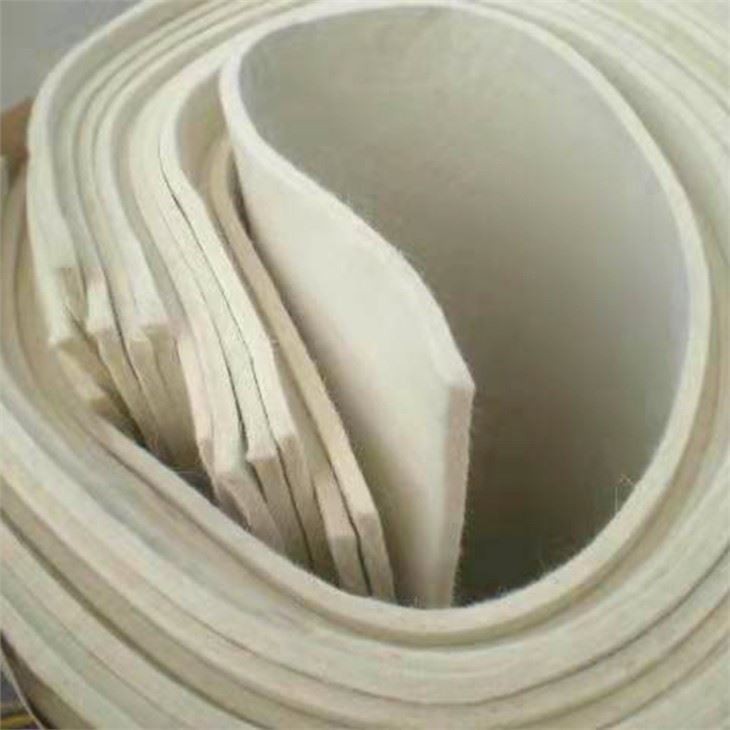
First off, let's talk about what we're comparing. Air pillows are those inflatable plastic bubbles you often see in packages. They're lightweight and can be inflated on - site, which is pretty convenient. On the other hand, Wool Packing Pads are made from natural wool fibers. You can check out more about them here.
Protection Level
When it comes to protecting your goods, both materials have their strengths. Air pillows work by creating a cushion of air around the item. The air inside the pillows absorbs the shock from impacts during transit. They're great for lightweight items that don't need a super - heavy - duty protection. For example, if you're shipping a bunch of small, plastic trinkets, air pillows can do the job just fine.
But Wool Packing Pads are in a league of their own when it comes to high - end or fragile items. Wool is a natural fiber that has excellent shock - absorbing properties. It can conform to the shape of the item being packed, providing a snug fit. This is especially important for things like glassware, electronics, or antique items. The natural elasticity of wool allows it to bounce back after being compressed, which means it can keep protecting your goods throughout the entire shipping process.
Environmental Impact
In today's world, the environmental impact of packing materials is a big deal. Air pillows are typically made from plastic, which is a major concern. Plastic takes hundreds of years to decompose, and a lot of it ends up in landfills or our oceans. Even though some air pillows are made from recyclable plastic, the recycling process isn't always efficient, and a large portion still gets wasted.
Wool, on the other hand, is a renewable and biodegradable resource. Sheep grow new wool every year, so it's a sustainable option. When Wool Packing Pads are discarded, they will break down naturally over time, leaving behind no harmful residues. This makes them a much greener choice for environmentally - conscious businesses and consumers. If you're looking to reduce your carbon footprint, Wool Packing Pads are definitely the way to go.
Durability
Air pillows are relatively fragile. They can easily pop if they come into contact with sharp objects. Once a pillow pops, it loses its ability to protect the item. This can be a real problem during shipping, as there are many opportunities for the pillows to get punctured, like when they're being loaded and unloaded from trucks.
Wool Packing Pads, however, are much more durable. The natural fibers in wool are strong and resistant to tearing. They can withstand a fair amount of rough handling without losing their protective properties. This means that your goods are more likely to arrive at their destination in one piece when packed with Wool Packing Pads.
Cost - Effectiveness
At first glance, air pillows might seem like the more cost - effective option. They're usually cheaper to purchase, especially if you're buying them in bulk. However, you have to consider the long - term costs. If you're shipping high - value items, the cost of damaged goods due to insufficient protection from air pillows can far outweigh the initial savings.
Wool Packing Pads may have a higher upfront cost, but they offer better protection, which means fewer damaged items. This can save you money in the long run, especially if you're a business that relies on shipping high - end products. Also, as more and more consumers are willing to pay a premium for environmentally - friendly products, using Wool Packing Pads can actually be a selling point for your business.
Ease of Use
Air pillows are easy to use in the sense that they can be inflated quickly on - site. You just need an air - inflating machine, and you're good to go. They can be easily stuffed into boxes to fill empty spaces.
Wool Packing Pads are also easy to use. They come in various sizes and can be cut to fit the specific needs of your package. You can wrap items with them or layer them at the bottom and sides of the box. And since they're not as bulky as inflated air pillows, they can be stored more easily when not in use.
Other Alternatives
There are also other types of packing materials out there. For example, you can check out Chemical Fiber Packing Pad and Bamboo Fiber Packaging Mat. Chemical fiber packing pads are synthetic and can offer decent protection, but they may not be as environmentally friendly as wool. Bamboo fiber packaging mats are another sustainable option, but they may not have the same level of shock - absorbing properties as wool.

Conclusion
So, in conclusion, while air pillows have their place in the packing world, especially for lightweight and non - fragile items, Wool Packing Pads are the superior choice for high - end, fragile, or environmentally - sensitive goods. They offer better protection, are more durable, and have a much lower environmental impact.
If you're interested in learning more about Wool Packing Pads or are thinking about making a purchase for your packing needs, don't hesitate to reach out. I'm here to answer any questions you might have and help you find the right packing solution for your business.
References
- "Packaging Materials: A Comprehensive Guide" - Industry Research Report
- "The Environmental Impact of Plastic Packaging" - Environmental Science Journal
- "Properties of Natural Fibers in Packaging" - Textile Research Magazine