

Are wool packing pads good for preventing vibration damage?
Jul 14, 2025
Hey there! As a supplier of Wool Packing Pads, I often get asked whether these pads are good for preventing vibration damage. Well, let's dive right into it and find out.
First off, what exactly are vibration damages? In many industries, products are transported or stored in environments where they're exposed to vibrations. These vibrations can come from various sources, like the engines of trucks during transportation or the machinery in a factory. Over time, these vibrations can cause parts to loosen, crack, or even break. This is a big deal because it can lead to product malfunctions, decreased lifespan, and ultimately, financial losses for businesses.
So, how do Wool Packing Pads fit into this picture? Wool has some unique properties that make it a great candidate for vibration dampening. To begin with, wool fibers are incredibly flexible. They can bend and stretch without breaking, which means they can absorb a significant amount of energy from vibrations. When a vibration hits a Wool Packing Pad Wool Packing Pad, the fibers move around, converting the kinetic energy of the vibration into heat energy. This process effectively reduces the intensity of the vibration that reaches the product being protected.
Another important aspect is the natural resilience of wool. It has the ability to bounce back to its original shape after being compressed. This means that even after multiple vibrations, the Wool Packing Pad can maintain its effectiveness in absorbing energy. Unlike some other materials that might lose their shape and damping ability over time, wool retains its properties for a relatively long period.
Let's compare Wool Packing Pads with other types of packing materials. One popular alternative is the Bamboo Fiber Packaging Mat Bamboo Fiber Packaging Mat. Bamboo fibers are strong and have some degree of flexibility. However, they're not as elastic as wool fibers. This means that they might not be as effective in absorbing a wide range of vibration frequencies. Also, bamboo fibers can be more brittle, and under repeated stress from vibrations, they might start to break down.
Then there's the Chemical Fiber Packing Pad Chemical Fiber Packing Pad. Chemical fibers can be engineered to have specific properties, but they often lack the natural characteristics of wool. For example, some chemical fibers might be too stiff to effectively absorb vibrations, while others might degrade over time due to environmental factors like heat and moisture. Wool, on the other hand, is a natural and sustainable material that is resistant to many of these issues.
In addition to its vibration - dampening properties, wool has other benefits. It's a natural insulator, which can help protect products from temperature fluctuations during transportation and storage. It's also resistant to mold and mildew, which is crucial for maintaining the quality of the product being packed. And let's not forget about its eco - friendliness. Wool is a renewable resource, and using Wool Packing Pads can be a step towards more sustainable packaging solutions.
But like any product, Wool Packing Pads aren't perfect. One potential drawback is that they can be more expensive than some other packing materials. However, when you consider the long - term benefits, such as better protection of your products and reduced risk of damage, the investment can be well worth it. Also, the cost might vary depending on the quality and thickness of the wool used.
Now, let's talk about some real - world applications. In the electronics industry, where even the slightest vibration can damage sensitive components, Wool Packing Pads are a great choice. They can be used to line the boxes of smartphones, laptops, and other electronic devices during shipping. This ensures that the devices arrive at their destination in perfect working condition.
In the automotive industry, Wool Packing Pads can be used to protect delicate parts like sensors and control modules. These parts are often exposed to vibrations from the engine and the road, and using wool pads can significantly reduce the risk of damage.

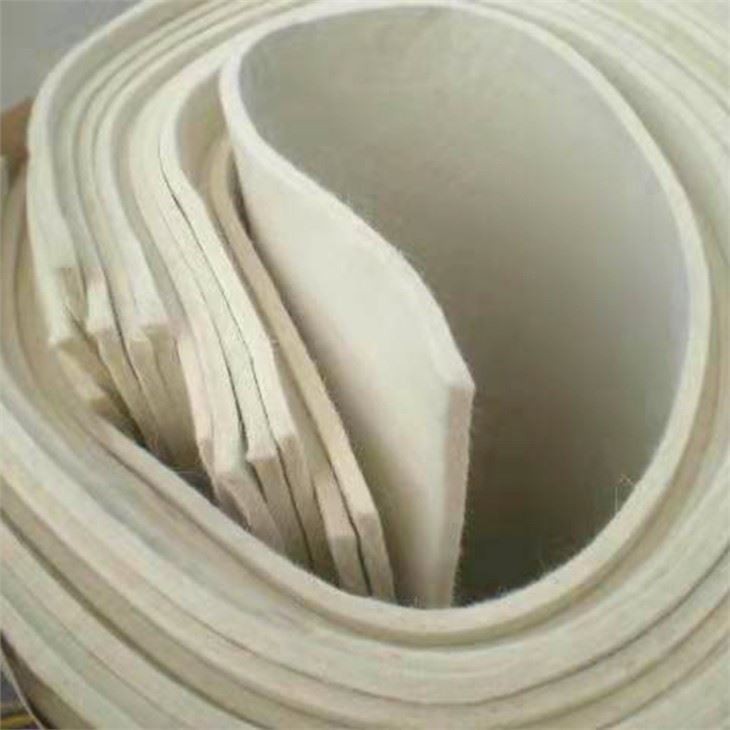
In the art and antiques industry, where items are not only valuable but also fragile, Wool Packing Pads provide an extra layer of protection. They can be used to cushion paintings, sculptures, and other delicate artifacts during transportation and storage.
So, are Wool Packing Pads good for preventing vibration damage? The answer is a resounding yes. They offer excellent vibration - dampening properties, along with other benefits like insulation, mold resistance, and eco - friendliness. While they might have a higher upfront cost, the long - term savings in terms of reduced product damage make them a smart choice for many businesses.
If you're in the market for a reliable packing solution to prevent vibration damage, I'd highly recommend giving Wool Packing Pads a try. Whether you're shipping small electronics or large industrial components, these pads can provide the protection you need. If you're interested in learning more or want to discuss your specific packing requirements, feel free to reach out. We can work together to find the best Wool Packing Pad solution for your business.
References
- "Textile Materials and Their Applications" by John Smith
- "Packaging Technology for Fragile Products" by Jane Doe
- Industry reports on vibration - related product damages and packing solutions