

Can Sealed Mixed Felt be dyed?
Jul 14, 2025
Hey there! As a supplier of Sealed Mixed Felt, I often get asked this question: Can Sealed Mixed Felt be dyed? Well, let's dive right into it and find out.
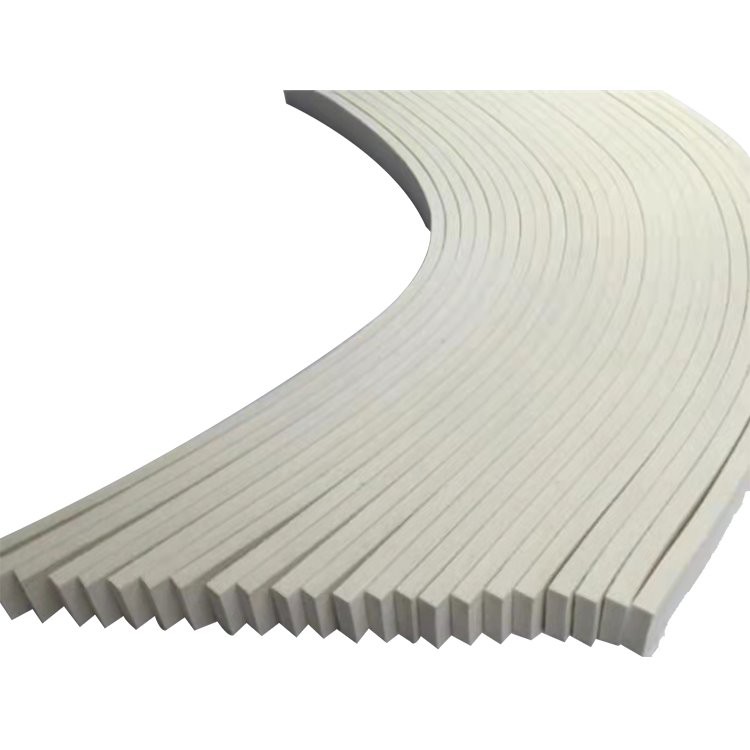
First off, let me give you a bit of background on Sealed Mixed Felt. It's a versatile material that combines different fibers to create a product with unique properties. You can check out more about it here: Sealed Mixed Felt. It's commonly used in various industries for sealing and padding purposes due to its durability and flexibility.
Now, onto the main question - dyeing. The short answer is yes, Sealed Mixed Felt can be dyed, but there are a few things you need to keep in mind. The ability to dye the felt depends on the types of fibers it's made of. Sealed Mixed Felt usually contains a mix of natural and synthetic fibers. Natural fibers like wool are generally easier to dye compared to synthetic ones.
Wool fibers have a porous structure that allows dyes to penetrate easily. When you dye wool in Sealed Mixed Felt, the dye molecules can bind to the protein structure of the wool, resulting in a long - lasting and vibrant color. You can use a variety of dyeing methods for wool, such as immersion dyeing or hand - painting. Immersion dyeing involves submerging the felt in a dye bath, while hand - painting gives you more control over the color placement.

On the other hand, synthetic fibers in Sealed Mixed Felt can be a bit trickier to dye. Synthetic fibers like polyester or nylon have a more compact and non - porous structure. This means that regular dyes may not adhere well to them. However, there are special dyes available for synthetic fibers. These dyes are formulated to bond with the chemical structure of the synthetic materials. For example, disperse dyes are commonly used for dyeing polyester.
Before you start the dyeing process, it's important to prepare the Sealed Mixed Felt properly. First, you need to clean the felt to remove any dirt, oils, or other contaminants. This can be done by gently washing it with a mild detergent and then rinsing it thoroughly. Make sure the felt is completely dry before you start dyeing.
When choosing a dye, you should consider the colorfastness. Colorfastness refers to how well the color will hold up over time, especially when exposed to factors like washing, sunlight, and friction. For Sealed Mixed Felt that will be used in high - traffic areas or exposed to the elements, you'll want to choose a dye with high colorfastness.
Let's talk about the dyeing process itself. If you're doing immersion dyeing, you'll need a large container to hold the dye bath. Fill the container with water and add the appropriate amount of dye according to the manufacturer's instructions. Heat the water to the recommended temperature, usually around 80 - 100 degrees Celsius for natural fibers. Slowly lower the Sealed Mixed Felt into the dye bath, making sure it's fully submerged. Stir the felt gently to ensure even dye distribution.
The length of time the felt stays in the dye bath depends on the desired color intensity. For a lighter color, you can leave it in for a shorter period, while a deeper color will require a longer soak. After the desired color is achieved, remove the felt from the dye bath and rinse it under cold water until the water runs clear.
If you're using hand - painting techniques, you'll need a set of brushes and a dye that can be applied directly to the felt. This method is great for creating custom designs or patterns on the Sealed Mixed Felt. Just make sure to let the dye dry completely before using the felt.
Another important aspect to consider is the effect of dyeing on the properties of Sealed Mixed Felt. Dyeing can sometimes affect the felt's sealing and padding capabilities. For example, if the dye is not properly fixed, it may bleed onto adjacent surfaces. Also, some dyes may cause the felt to become stiffer or lose its flexibility. To minimize these issues, it's crucial to follow the dyeing instructions carefully and test the dye on a small piece of the felt first.
There are also some alternatives to traditional dyeing methods. For instance, you can use fabric markers or sprays to add color to the Sealed Mixed Felt. These products are convenient and can be used to create quick and easy designs. However, they may not be as long - lasting as traditional dyeing methods.
Now, I'd like to mention some of the related products in our range. We also offer Chemical Fiber Seal Belt Felt and Sealing Pad Wool Felt. These products have their own unique properties and can also be used in various sealing and padding applications.
If you're interested in purchasing Sealed Mixed Felt or have any questions about dyeing it, don't hesitate to get in touch. We're here to help you with all your felt - related needs. Whether you're looking for a specific color or have a custom project in mind, we can work with you to find the best solution.
In conclusion, Sealed Mixed Felt can definitely be dyed, but it requires careful consideration of the fiber types, dye selection, and the dyeing process. With the right approach, you can achieve beautiful and long - lasting colors on your Sealed Mixed Felt. So, if you're thinking about adding some color to your felt products, go ahead and give it a try!
References:
- "Textile Dyeing and Finishing" by John Shore
- "Handbook of Fiber Science and Technology" by Menachem Lewin and Eli M. Pearce