

How to store wool oil feed felt properly?
Aug 21, 2025
Hey there! As a supplier of Wool Oil Feed Felt, I've seen firsthand how important it is to store this stuff properly. If you don't, you can end up with a product that's not only less effective but might even get damaged. So, let's dive into how you can store your Wool Oil Feed Felt like a pro.
Understanding Wool Oil Feed Felt
Before we get into storage, let's quickly go over what Wool Oil Feed Felt is. It's a type of industrial felt that's great at absorbing and feeding oil. It's used in all sorts of industrial applications, like lubricating machinery parts. You can learn more about it on our Wool Oil Feed Felt page.
Ideal Storage Conditions
Temperature
Wool Oil Feed Felt is sensitive to temperature. You want to store it in a place where the temperature is relatively stable. Extreme heat can cause the felt to dry out and lose its oil - absorbing properties. On the other hand, extreme cold can make the felt brittle. A temperature range of 50°F - 70°F (10°C - 21°C) is ideal.
Humidity
Humidity is another factor to consider. High humidity can lead to mold and mildew growth on the felt. This not only ruins the appearance but also affects its performance. Aim for a humidity level between 30% - 50%. You can use a dehumidifier in a storage area if the humidity is too high.
Light
Exposure to direct sunlight or strong artificial light can fade and degrade the Wool Oil Feed Felt over time. So, store it in a dark or dimly - lit area. If you have to use a storage room with windows, make sure to use curtains or blinds to block out the light.
Storage Containers
Sealed Plastic Containers
One of the best ways to store Wool Oil Feed Felt is in sealed plastic containers. These containers protect the felt from dust, dirt, and moisture. Make sure the containers are clean before you put the felt in them. You can label the containers with the type of felt and the date of storage.
Cardboard Boxes
Cardboard boxes can also be used, but they're not as good at protecting against moisture. If you use cardboard boxes, line them with plastic sheeting to add an extra layer of protection. And don't stack too many boxes on top of each other, as this can compress the felt and affect its shape.
Stacking and Handling
Stacking
When stacking Wool Oil Feed Felt, be careful not to stack it too high. Over - stacking can cause the felt at the bottom to become compressed, which can change its density and oil - absorbing capacity. Try to stack the felt in a way that allows for proper air circulation around each piece.
Handling
When handling the felt, use clean hands or gloves. Oils and dirt from your hands can transfer to the felt and reduce its effectiveness. Also, avoid dragging the felt across rough surfaces, as this can cause abrasion and damage.
Avoiding Contamination
Chemicals
Keep the Wool Oil Feed Felt away from chemicals. Chemicals can react with the felt and change its properties. This includes cleaning agents, solvents, and other industrial chemicals. If you need to clean the storage area, make sure to do it before storing the felt and let the area dry completely.
Other Materials
Don't store the felt with other materials that might shed fibers or particles. For example, don't store it next to loose cotton or synthetic fibers. These fibers can stick to the felt and contaminate it.
Regular Inspections
Visual Checks
Regularly inspect the stored Wool Oil Feed Felt for any signs of damage, mold, or discoloration. If you notice any issues, take action immediately. For example, if you see mold, remove the affected pieces and clean the storage area.
Performance Checks
You can also perform occasional performance checks. Take a small sample of the felt and test its oil - absorbing capacity. If the performance has decreased, it might be time to replace the felt.

Comparing with Other Types of Felt
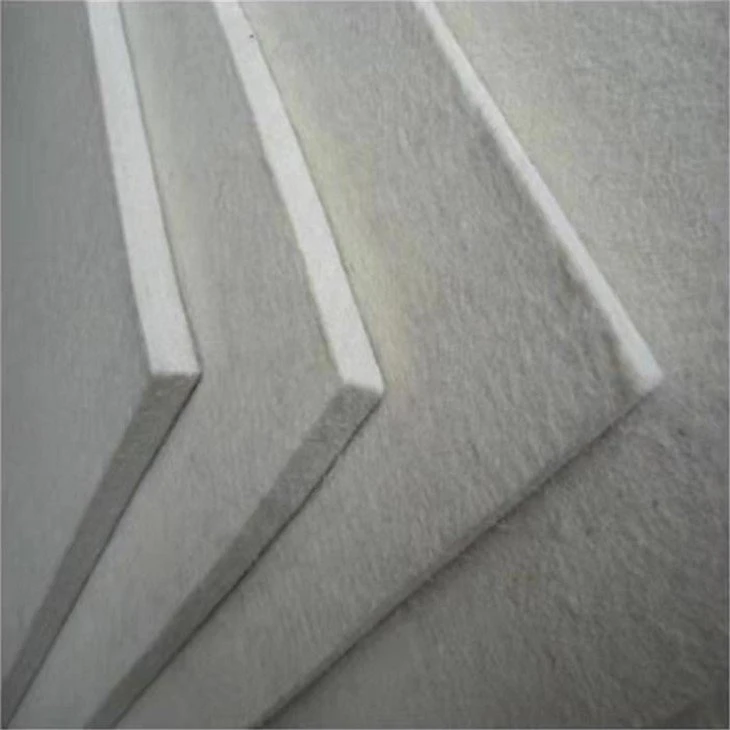
It's worth mentioning that different types of felt have different storage requirements. For example, Chemical Fiber Suction Oil Felt is made from synthetic fibers and might be more resistant to moisture and chemicals compared to Wool Oil Feed Felt. And Oil - absorbing Mixed Felt, which is a combination of different materials, also has its own unique storage needs.
Conclusion
Proper storage of Wool Oil Feed Felt is crucial for maintaining its quality and performance. By following the tips I've shared, you can ensure that your felt stays in great condition for as long as possible. If you're in the market for high - quality Wool Oil Feed Felt or have any questions about storage or usage, feel free to reach out to us. We're here to help you make the most of your industrial felt products.
References
- Industrial Felt Handbook: Best Practices for Storage and Usage
- Research on the Effects of Temperature and Humidity on Felt Materials